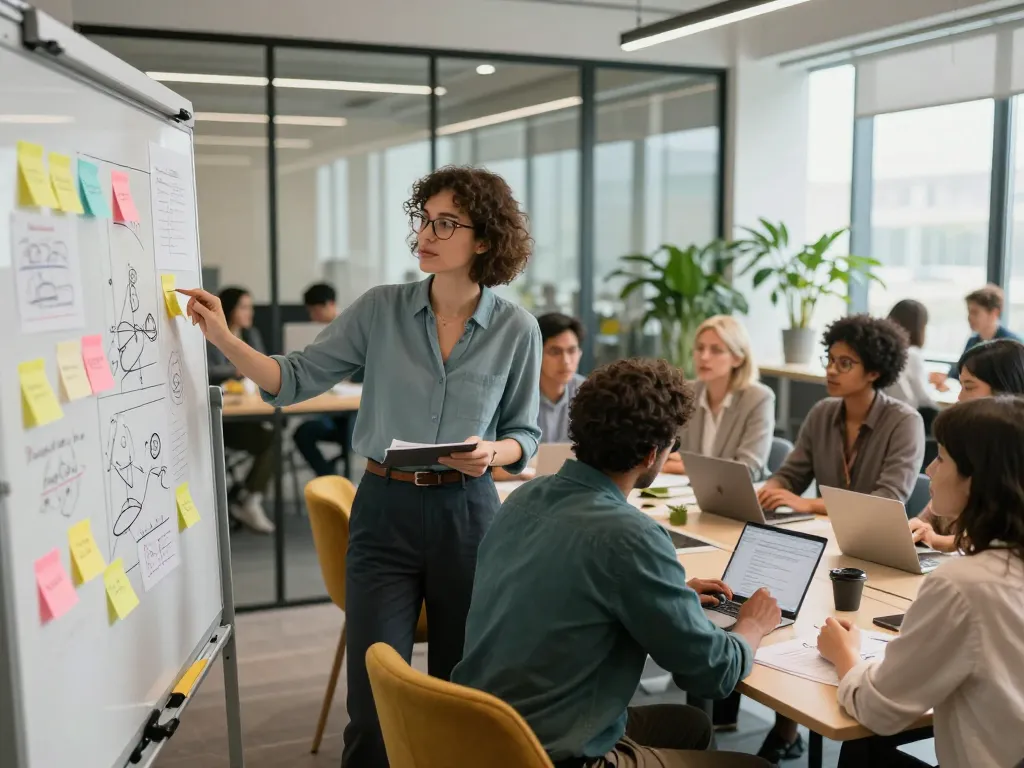
Understanding Mock Interviews
What Are Mock Interviews?
Mock interviews are simulated job interviews designed to provide candidates with a realistic experience of the interview process. They are conducted in a controlled environment, allowing candidates to practice their responses to common interview questions and receive feedback on their performance. Essentially, a mock interview mimics the entire interview scenario, including questions, responses, body language, and overall presentation, helping candidates to improve their confidence and readiness for actual job interviews.
Why Mock Interviews Are Essential for Job Seekers
In today’s competitive job market, it’s not just about having the right qualifications but also being able to present oneself effectively in interviews. Mock interviews serve several important purposes:
- Boosting Confidence: Regular practice through mock interviews can greatly reduce anxiety. Candidates become familiar with interview formats, which in turn increases their confidence.
- Identifying Weaknesses: Practicing interview skills helps candidates recognize areas they need to improve, such as speaking clearly or articulating their thoughts.
- Receiving Constructive Feedback: Mock interviews allow candidates to receive feedback from peers or mentors, offering insights that they may not have been aware of.
- Improving Communication Skills: The practice helps candidates refine their answers, enhancing their ability to communicate effectively during interviews.
Common Formats of Mock Interviews
Mock interviews can vary in format, depending on the style of the actual interview they aim to simulate. Common formats include:
- Standard One-on-One: This is the classic interview format where one interviewer evaluates a single candidate.
- Panel Interviews: In this format, the candidate faces multiple interviewers, which is common in many corporate setups.
- Video Interviews: With the rise of remote work, practicing through video platforms has become essential for candidates.
- Group Interviews: Candidates are interviewed in groups, which helps assess their teamwork and communication skills.
Preparing for Your Mock Interview
Researching Common Interview Questions
The first step in preparing for a mock interview is to gather a list of commonly asked interview questions relevant to the position you are applying for. Websites like Mock Interviews can provide excellent resources. Sample questions can include:
- Tell me about yourself.
- What are your biggest strengths and weaknesses?
- Why do you want to work here?
- Describe a challenging situation and how you handled it.
By familiarizing yourself with these questions, you can prepare concise and effective responses that emphasize your skills and experiences.
Choosing the Right Environment for Practice
Setting up a conducive environment is crucial for a successful mock interview. Ideally, this should be a quiet, distraction-free area that mimics a professional setting. Whether you’re practicing in person or through a virtual platform, make sure that:
- The background is tidy and professional.
- You have a reliable internet connection for virtual interviews.
- You can access necessary materials or documents seamlessly during the interview.
Creating the right atmosphere will help you focus and treat the mock interview as if it were the real thing.
Setting Personal Goals for Your Mock Interview
Before your mock interview, take time to set clear objectives for what you want to achieve. These goals might include:
- Practicing a specific set of skills, such as body language or eye contact.
- Improving the structure of your answers.
- Increasing comfort with unexpected questions.
Having clear targets in mind will enable you to focus your practice and measure your progress effectively.
Conducting Effective Mock Interviews
How to Simulate Real Interview Conditions
To gain the most benefit from mock interviews, it's essential to create a realistic experience. This can be achieved by:
- Following a strict timeline that resembles an actual interview.
- Adhering to the same dress code you would wear for a real job interview.
- Practicing with a knowledgeable interviewer who can provide relevant questions and feedback.
The more closely you can replicate real conditions, the more comfortable you will be during your actual interview.
Using Technology for Virtual Mock Interviews
As remote interviews become increasingly common, leveraging technology for mock interviews can be beneficial. Tools such as video conferencing platforms (Zoom, Google Meet) allow you to conduct interviews virtually, simulating the real experience. Tips for successful virtual mock interviews include:
- Testing technology and software ahead of time.
- Using a good quality webcam and microphone for clear audio and video.
- Practicing nonverbal cues even in a virtual format, such as maintaining eye contact with the camera.
Engaging Feedback Mechanisms
Feedback is a foundational element of mock interviews. Engaging in constructive discussions post-mock interview with your interviewer can uncover valuable insights. Consider asking questions like:
- How effective were my answers?
- Did I exhibit positive body language?
- Were there any areas that felt unclear or underdeveloped?
Additionally, recording the mock interview can allow you to review your performance and identify patterns in your delivery that need improvement.
Evaluating and Improving Your Performance
Self-Assessment Techniques Post-Mock Interview
Once you finish your mock interview, perform a self-assessment. Reflect on your performance using these guiding questions:
- How did I feel during the interview?
- Which answers did I find strong, and which ones could be improved?
- Did I communicate my skills and experiences clearly?
Keeping a journal of these reflections can track your improvement over time and highlight recurring challenges.
Utilizing Feedback from Peers and Mentors
Apart from self-assessment, leveraging feedback from peers and mentors can provide invaluable insights. A diverse perspective can highlight strengths you may take for granted and identify weaknesses you didn't recognize. Arrange follow-up discussions with your interviewer to delve deeper into their feedback.
Identifying Areas for Skill Enhancement
Always approach each mock interview with an eye on improvement. After evaluating your performance and gathering feedback, identify specific skills to enhance. These may include areas such as:
- Answering unexpected questions fluently.
- Enhancing presentation and speaking skills.
- Improving articulation of past experiences relevant to the role.
Implement strategies and practice techniques specifically targeted at these identified areas to ensure ongoing development.
Real-Life Success Stories and Examples
Profiles of Candidates Who Aced Their Jobs
In analyzing real-life success stories, many candidates attribute their success to effective mock interview preparation. For instance, Jane Doe, a software engineer, participated in over ten mock interviews before landing her role at a top tech firm. Through consistent practice, she identified that her technical explanations often lacked clarity. By refining this aspect, she secured her desired position.
Strategies Derived from Successful Mock Interviews
There are specific strategies that successful candidates use during mock interviews that others can adopt, including:
- Incorporating STAR (Situation, Task, Action, Result) methodology to articulate past experiences.
- Utilizing online platforms for diverse interview questions related to their fields.
- Engaging in peer-focused mock interview sessions where feedback is reciprocal.
How Mock Interviews Changed Careers
Many people have found that mock interviews not only prepare them for specific job roles but can also pivot their entire career trajectory. For example, John Smith transitioned from a hospitality career to web development largely due to effective mentoring through mock interviews. His mentor provided key insights into how tech interviews differ from those in hospitality, enabling him to tailor his skills appropriately.
The practice of conducting mock interviews exemplifies a proactive approach to securing employment in a competitive landscape. By investing time and resources in this preparation strategy, job seekers enhance their confidence and develop a clearer narrative to present to potential employers. Whether through technology or traditional one-on-one simulations, the goal remains the same: to prepare candidates for success in their professional endeavors.