



Mastering Videography: Elevate Your Skills and Capture Stunning Visuals
Understanding the Role of a Videographer
What is a Videographer?
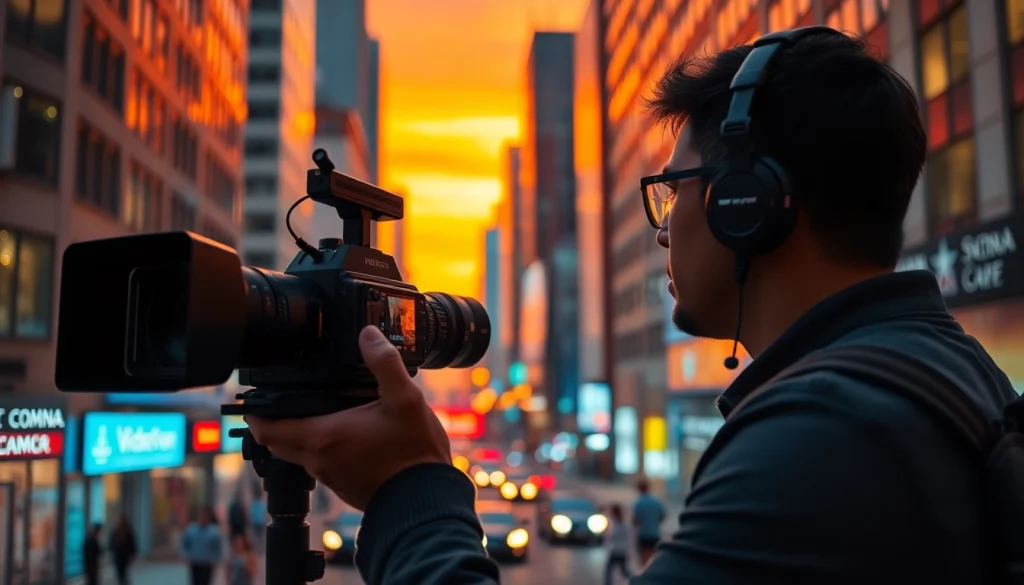
A Videographer is a professional who specializes in capturing video content for various purposes, from commercial productions to personal events. Unlike cinematographers, who often work on larger film sets with complex lighting and multiple camera setups, videographers typically work with handheld cameras and simpler setups that allow for greater mobility. They might be found documenting everything from weddings and corporate events to music videos and documentaries.
Key Skills and Traits of a Successful Videographer
To thrive in the fast-paced world of videography, several key skills and traits are essential:
- Technical Proficiency: Understanding camera operations, lighting, and sound equipment is fundamental.
- Creativity: A creative eye for composition and storytelling will set your work apart.
- Attention to Detail: Being meticulous about every aspect, from framing to sound quality, ensures a polished final product.
- Communication Skills: Strong interpersonal skills will help in collaborating with clients and other professionals.
- Adaptability: The ability to think on your feet can help you make quick adjustments in dynamic shooting environments.
Common Responsibilities and Job Opportunities
Videographers perform a variety of tasks, which may include:
- Planning and executing video shoots according to project requirements.
- Editing raw footage into a cohesive final product.
- Operating cameras, drones, and other filming equipment.
- Collaborating closely with clients to understand their vision and requirements.
- Managing the logistical aspects of shoots, such as scheduling and location scouting.
Job opportunities for videographers can be found in numerous industries, including:
- Corporate video production
- Film and television
- Weddings and personal events
- Advertising and marketing
- Journalism and documentary filmmaking
Essential Equipment for Videographers
Cameras and Accessories Needed
The foundational tool for any Videographer is the camera. When selecting a camera, consider the following types:
- DSLR Cameras: Versatile and widely used, offering high image quality and interchangeable lenses.
- Mirrorless Cameras: Compact and lightweight, they can produce excellent video quality.
- Camcorders: These are more user-friendly for longer shoots, offering extended recording times and zoom features.
- Smartphones: With advancements in technology, many smartphones now boast professional-quality cameras suitable for quick shoots.
In addition to cameras, videographers often need the following accessories:
- Tripods for stable shots.
- Gimbals for smooth motion.
- External microphones to enhance audio quality.
- Lighting equipment to ensure proper visibility in various settings.
Understanding Lighting Techniques
Lighting is one of the most critical aspects of videography. Good lighting can transform an average shot into a stunning visual. Here are some common techniques:
- Three-Point Lighting: This involves using one key light, a fill light, and a backlight to create depth and dimension.
- Natural Lighting: Utilizing available light from windows or outdoor settings can create an organic feel.
- Soft vs. Hard Light: Understanding when to use soft light (which creates less harsh shadows) versus hard light helps in creating the desired mood.
Audio Equipment for Quality Sound
Quality audio is just as important as high-quality video. Many videographers will invest in:
- Lavalier Microphones: Ideal for interviews or speeches where the subject is moving.
- Shotgun Microphones: Useful for capturing directional sound from your subjects at a distance.
- Audio Recorders: Standalone recorders provide better sound quality than on-camera microphones.
Paying attention to audio details can make a significant difference in production quality and viewer experience.
Videography Techniques and Best Practices
Framing and Composition Tips
Good composition can elevate your video. Here are some techniques to consider:
- Rule of Thirds: Dividing your frame into thirds can help guide viewers’ eyes to important elements.
- Leading Lines: Using natural lines in your scene (like roads or walls) can draw attention to your subject.
- Depth of Field: Manipulating the depth of field can isolate a subject and create a sense of depth.
Editing Techniques to Enhance Footage
After shooting, video editing plays a crucial role in storytelling. Here are some essential editing techniques:
- Cutting for Timing: Trim unnecessary parts to enhance pacing and maintain engagement.
- Transitions: Use transitions (fades, wipes, etc.) to help the flow of the video but avoid overusing them.
- Color Grading: Adjusting colors and tones can significantly enhance the mood of your video.
Storytelling Through Videography
Every compelling video tells a story. To enhance storytelling through videography, consider the following:
- Establish a Clear Narrative: Have a beginning, middle, and end to guide viewers through the experience.
- Utilize B-Roll: Supplement your main footage with B-roll shots to add context and depth.
- Sound Design: Incorporate appropriate music and sound effects that complement the visual elements.
Starting a Career as a Videographer
Building Your Portfolio
A strong portfolio is essential for any aspiring Videographer. Here are steps to build an impressive portfolio:
- Start by creating personal projects or collaborating with friends to gather footage.
- Focus on showcasing a variety of work – weddings, promotional videos, short films, etc.
- Use a professional website to present your work and include written case studies that illustrate your process and results.
Networking and Finding Clients
Networking is crucial in the videography industry. Here are some strategies:
- Attend industry-related events and workshops to meet potential clients and peers.
- Join local film associations or online groups to expand your connections.
- Leverage social media platforms to showcase your work and interact with clients.
Freelancing vs. Employment Opportunities
Deciding between freelancing and working for a production company involves weighing the pros and cons:
- Freelancing: Offers flexibility and the potential for higher earnings but may involve unpredictable income and the responsibility of running a business.
- Employment: Provides stability and benefits, but you may have less creative control over projects.
The Future of Videography
Emerging Technologies in Videography
Advancements in technology continue to shape the field of videography:
- 4K and 8K Video: As resolution increases, filming in higher definitions become standard, demanding more from equipment and editing processes.
- Drones: Aerial footage has become integral to many productions, providing unique perspectives.
- VR and 360-Degree Video: These formats are creating immersive experiences for viewers, pushing the boundaries of conventional videography.
Industry Trends to Watch
Several key trends are influencing the videography landscape:
- Increased demand for live streaming content and virtual events.
- Mobile video consumption continues to rise, requiring optimizations for smaller screens.
- The popularity of short-form video content, driven by platforms like TikTok and Instagram Reels.
Adapting to Changes in Content Consumption
As viewers change the way they consume content, videographers must adapt by:
- Creating content tailored for specific platforms, optimizing video format and length.
- Engaging audiences with interactive elements and compelling hooks in the first few seconds.
- Staying updated on industry standards and viewer preferences to remain competitive.