
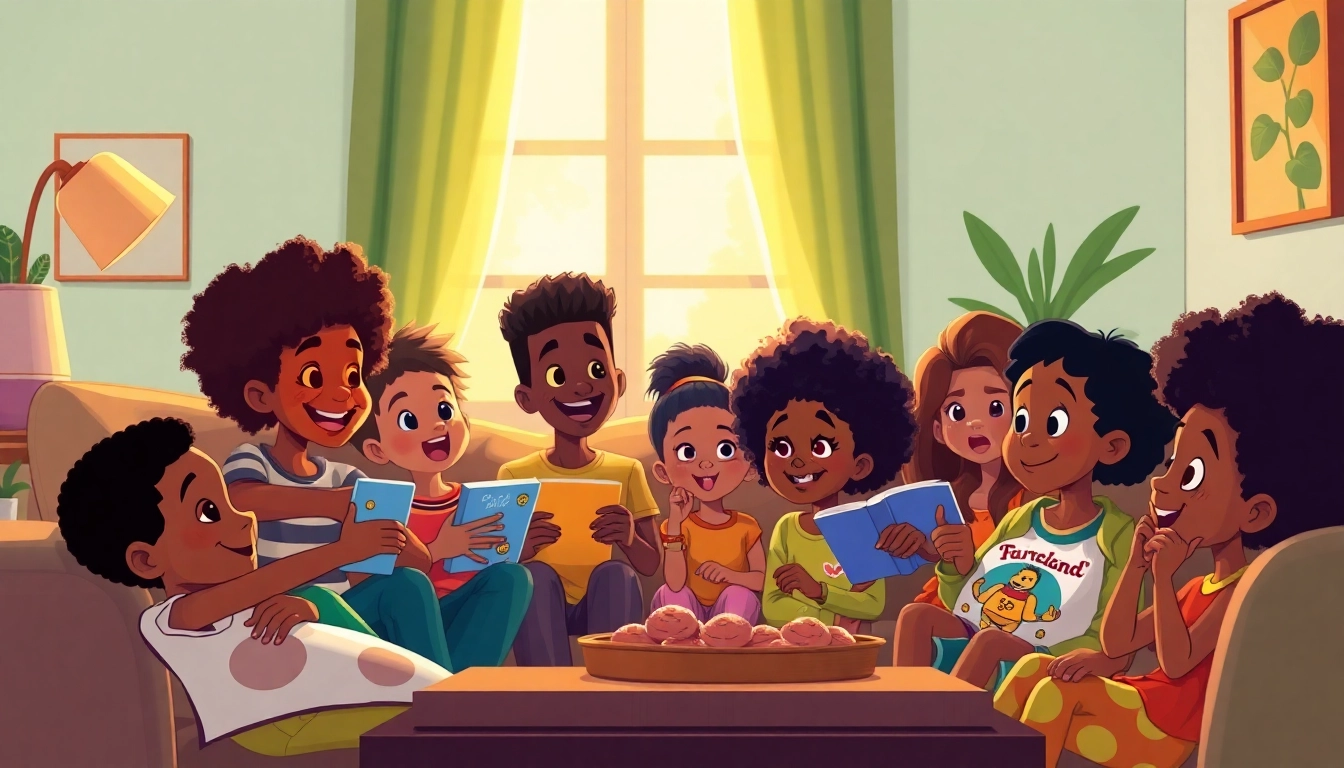
Understanding the Significance of African American Cartoons
In the vibrant landscape of animation, African American Cartoons have emerged as powerful vehicles for storytelling, providing a platform for representation, cultural reflection, and entertainment. These animated series and characters have not only entertained audiences but have also played a crucial role in shaping cultural narratives and social conversations. This article explores the importance of African American cartoons, tracing their historical context, discussing their impact on cultural representation, and highlighting key themes and shows that are essential viewing in 2026.
The Historical Context and Evolution
The history of African American animation is a rich tapestry woven through decades of creativity and resilience. From the early days of animation, African American characters often fell victim to stereotypes and one-dimensional portrayals. However, as the decades progressed, a shift began to take place. The late 20th century marked a turning point, with shows like “The Boondocks” introducing complex narratives that challenged societal norms and provided a genuine perspective on African American life.
In the 1990s, “The Proud Family” became one of the first animated series on Disney Channel to feature a Black family as the main characters, breaking new ground in representation. Fast forward to today, where a new generation of creators influenced by the legacy of their predecessors are pushing boundaries and creating innovative content.
Why Representation Matters in Animation
Representation in animation is crucial, especially for children who are forming their identities and understanding of the world. African American cartoons offer kids the opportunity to see themselves reflected in the media they consume, fostering a sense of belonging and self-worth. Shows that portray relatable characters and experiences empower children of color and promote pride in their heritage.
Furthermore, diverse representation in animation fosters empathy and understanding among audiences of all backgrounds. When viewers engage with stories that reflect the complexities of different cultures, they become more informed and aware global citizens.
Key Themes in African American Animated Shows
- Identity and Culture: Many African American cartoons explore themes of cultural heritage, identity, and pride.
- Social Justice: Shows often tackle real-life issues such as racism, inequality, and systemic injustice.
- Family Dynamics: The importance of family and community is a recurring theme, offering insights into African American family structures and values.
- Humor and Resilience: Utilizing humor as a coping mechanism, many cartoons emphasize resilience in the face of challenges.
Top African American Cartoons to Watch in 2026
As we look ahead to 2026, here are some must-see African American cartoons that captivate audiences with their unique storytelling and representation.
Critically Acclaimed Series You Can’t Miss
- The Boondocks: A sharp, satirical exploration of race relations that remains relevant today.
- Craig of the Creek: This series celebrates friendship and adventure, rooted in a diverse neighborhood setting.
- Big Mouth: While primarily a coming-of-age comedy, it also includes diverse representations of characters that resonate with many viewers.
- The Proud Family: Louder and Prouder: A modern revival that continues to explore relevant issues through the lens of a Black family.
Up-and-Coming Shows Making Waves
Newer series have been gaining traction, showcasing fresh narratives and artistic styles. Keep an eye on:
- Motown Magic: A delightful series that introduces children to the classic hits of Motown through a vibrant animated world.
- Young Justice: Featuring a diverse ensemble of young heroes, this show addresses themes of justice and teamwork.
- Kid Cosmic: Though not exclusively African American, it features a diverse cast that resonates with a broad audience.
Diverse Perspectives in Classic Cartoons
Classic cartoons remain a significant part of the conversation around African American representation. Shows such as “Fat Albert and the Cosby Kids” and “The Jacksons” have left lasting impressions and laid the groundwork for future generations of animators. They encapsulate humor, life lessons, and social responsibilities, showcasing the richness of African American culture in a way that entertains and educates.
Impact of African American Cartoons on Culture
Shaping Children’s Identity and Values
African American cartoons do more than entertain; they shape children’s understanding of themselves and others. The stories featured allow children to see their lived experiences validated on screen, which can affirm their identity and instill a sense of pride. For instance, shows like “Doc McStuffins” have been lauded for featuring a young Black girl as the protagonist, encouraging young viewers to aspire to be anything they wish while embracing their cultural backgrounds.
Influence on Modern Animation Trends
The influence of African American cartoons stretches far beyond their immediate audience. They have set trends in animation that prioritize storytelling, character complexity, and cultural authenticity. Modern animation, particularly on streaming platforms, increasingly reflects diverse voices and narratives, allowing creators from various backgrounds to share their stories.
Contributions of Black Creators in Animation
The landscape of animation has been significantly enriched by the contributions of Black creators, writers, and animators. Pioneers like Bruce Smith (creator of “The Proud Family”) and Aaron McGruder (creator of “The Boondocks”) have paved the way for future artists to express their visions. As more Black creators step into roles of leadership and creativity, the diversity within animated content is expected to expand further.
How to Choose the Right African American Cartoons for Kids
Parents and guardians often find themselves navigating the plethora of content available to ensure their children receive quality, enriching entertainment. Here’s how to choose the right African American cartoons:
Age-Appropriate Recommendations
- Preschool (Ages 3-5): Look for shows like “Doc McStuffins” and “Tayo the Little Bus.” These are entertaining while also educational.
- Elementary (Ages 6-12): Consider “The Proud Family” or “Craig of the Creek,” which feature relatable characters and adventures.
- Tweens and Teens (Ages 13+): “The Boondocks” and “Big Mouth” tackle complex themes and are more suitable for older audiences.
Educational Value and Life Lessons
Many African American cartoons are designed to educate while entertaining. Shows like “Sesame Street” and “Motown Magic” not only introduce children to music and culture but also embed essential life lessons about kindness, responsibility, and teamwork.
Encouraging Open Discussions About Race
Watching these shows provides an excellent opportunity for parents to engage their children in discussions about race, identity, and social issues. Initiating conversations around the themes presented in these cartoons can help children understand and navigate the complexities of society.
Future Trends in African American Cartoons
As we look towards the future, several trends are emerging in the world of African American animation that are worth noting.
The Rise of Streaming Platforms
Streaming services have revolutionized how audiences access and consume content, leading to an explosion of diverse programming. Platforms like Netflix, Hulu, and Disney+ are increasingly incorporating African American cartoon series into their line-ups, providing broader access and visibility to these important narratives.
Innovative Animation Techniques and Styles
The evolution of animation technology enables creators to explore new styles and storytelling techniques. Trends such as mixed media and interactive storytelling are becoming popular, allowing for a more immersive experience tailored to various demographics, including African American audiences.
Predictions for Representation in 2026 and Beyond
The future looks promising for African American cartoons, with expectations of more representation and complex characters in animated storytelling. As industry executives recognize the importance of diverse voices, we can anticipate a significant increase in projects led by Black creators and featuring diverse casts, pushing the boundaries of children’s entertainment.
In conclusion, African American cartoons play a pivotal role in enriching the animation landscape through their nuanced storytelling and cultural relevance. As the industry continues to evolve, it will be fascinating to see how these narratives further shape the cultural fabric of society.