What are Engineered Composites?
Defining Engineered Composites
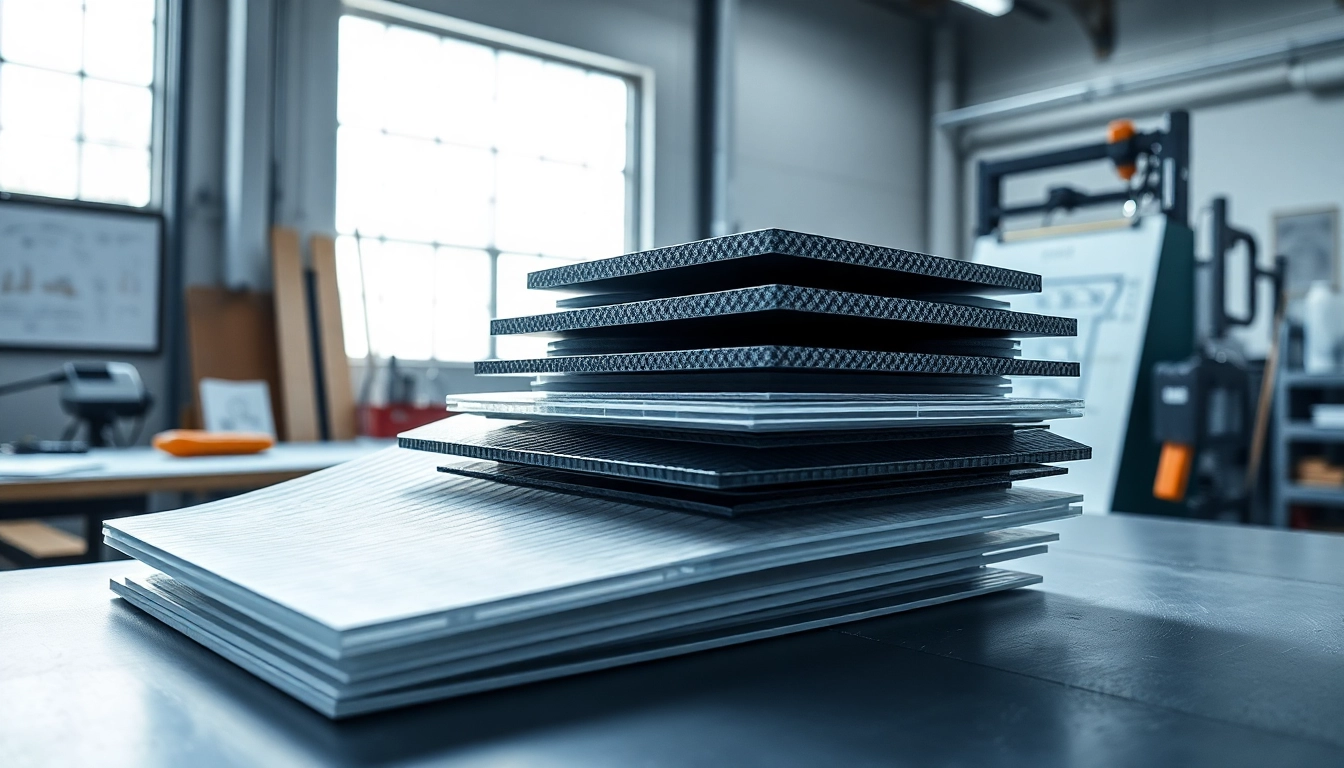
Engineered composites represent a category of materials designed to combine two or more distinct components to create a superior product. These composites are crafted to optimize performance characteristics, such as strength, durability, weight efficiency, and resistance to environmental challenges. The blend of materials often results in a structure that has enhanced properties compared to the raw ingredients, opening up a wide range of applications across various industries. This innovative approach makes Engineered Composites distinctly valuable in modern engineering.
Types of Engineered Composites
Engineered composites can be classified into several categories, primarily based on the matrix and reinforcement types used in their formulation:
- Polymer Matrix Composites (PMCs): These composites use a polymer as the matrix material, reinforced with fibers (glass, carbon, aramid, etc.). They are known for their lightweight and high strength.
- Ceramic Matrix Composites (CMCs): CMCs incorporate ceramic materials within a ceramic matrix, providing exceptional heat resistance and durability. They’re highly effective in aerospace and automotive applications.
- Metal Matrix Composites (MMCs): Featuring metal as the base material, MMCs include reinforcements such as ceramic fibers, offering improved strength and lower weight while maintaining thermal stability.
- Hybrid Composites: By combining different matrix and reinforcement materials, hybrid composites provide tailored properties for specific application needs.
Comparison with Traditional Materials
When juxtaposed with traditional materials like metals, wood, and plastics, engineered composites showcase significant advantages. For instance, while metals offer strength and durability, they are often heavier and can corrode over time. In contrast, engineered composites yield similar or superior strength while remaining lightweight, corrosion-resistant, and often more flexible in design. This transformational approach allows industries to rethink material applications, pushing the boundaries of innovation in construction, automotive, and aerospace designs.
Applications of Engineered Composites
In Aerospace and Automotive Industries
The aerospace and automotive sectors have been at the forefront of adopting engineered composites. In aerospace, components made from composite materials result in significant weight savings, which directly translates to improved fuel efficiency. Parts such as wings, fuselage sections, and interior structures are now crafted entirely from advanced composites, reducing maintenance costs due to their superior fatigue resistance.
Similarly, the automotive industry leverages engineered composites to manufacture lighter vehicles that consume less fuel and emit fewer pollutants. Components like body panels, engine parts, and safety features have been redesigned using these materials. For instance, the presence of carbon-fiber reinforced plastics in sports cars not only enhances aesthetic appeal but also boosts overall performance metrics.
Construction and Infrastructure Uses
In construction, engineered composites have started to replace traditional materials, enabling architects and engineers to design innovative structures that are both aesthetically pleasing and structurally sound. For example, glass-fiber-reinforced polymers are utilized in bridges and buildings to enhance performance and lifespan.
Moreover, these composites are essential for creating lightweight building panels, which facilitate easier installation and reduce transportation costs. Long-term durability is another compelling characteristic, as these materials resist moisture, rot, and corrosion, thus minimizing maintenance efforts over time.
Innovations in Renewable Energy
With the shift towards sustainable energy sources, engineered composites are playing a crucial role in the renewable energy sector. Wind turbine blades made from composite materials are significantly lighter and stronger than those made from conventional materials, resulting in improved efficiency. As the demand for longer and more efficient turbine blades grows, manufacturers continue to innovate composite designs to maximize performance.
Additionally, in solar energy, engineered composites provide robust substrates for solar panels, enhancing their resistance to environmental degradation and improving lifespan. These applications demonstrate the versatility and potential of engineered composites in contributing to a sustainable future.
Benefits of Using Engineered Composites
Weight Reduction and Strength
One of the standout benefits of engineered composites is their remarkable strength-to-weight ratio. This characteristic allows industries, particularly aerospace and automotive, to eliminate unnecessary weight without compromising structural integrity. Lighter materials lead to enhanced fuel efficiency, performance improvements, and lower transportation costs.
Durability and Longevity
Engineered composites are inherently more durable than traditional materials. Their resistance to environmental conditions such as moisture, chemicals, and UV radiation ensures that structures and components maintain their integrity over longer periods. This longevity translates to lower maintenance costs and an extended lifecycle for products, making engineered composites a wise investment.
Cost Efficiency Over Time
While the initial investment in engineered composites can be higher than traditional materials, their cost efficiency becomes apparent over time. Savings arise from reduced maintenance, longer life spans, and lower energy consumption in applications. Furthermore, as technology advances and production methods become optimized, the overall costs associated with engineered composites are expected to decrease, making them an increasingly viable option for various industries.
Challenges in Engineered Composites
Manufacturing Complexities
Despite their advantages, engineered composites involve complex manufacturing processes that can be costly and time-consuming. Techniques such as layered manufacturing or injection molding require specialized equipment and expertise. Furthermore, controlling quality and consistency over large batches poses a significant challenge, necessitating stringent quality assurance protocols.
Sustainability Concerns
The production and disposal of engineered composites raise sustainability questions. Many of these materials are difficult to recycle, creating waste concerns. However, increasing focus on eco-friendly alternatives and recycling technologies is driving innovations in this field. Industries are beginning to explore biodegradable composites and developing mechanical recycling processes that aim to mitigate the environmental impact.
Market Adoption Issues
As with any emerging technology, market adoption of engineered composites can be slow. Many manufacturers may hesitate to transition from traditional materials due to the perceived risks and costs associated with new material adoption. Building trust in the performance and reliability of engineered composites is essential for widespread acceptance in conservative industries like construction and aerospace.
Future Trends in Engineered Composites
Advancements in Material Science
The future of engineered composites is poised for exciting advancements in material science. Research is currently focused on developing new matrix materials and innovative reinforcement solutions that can significantly enhance the properties of composites. This includes the exploration of nanotechnology and smart materials that respond to environmental changes and stressors, ultimately increasing their functionality and usability.
Integration with Smart Technologies
Another promising trend is the integration of smart technologies within engineered composites. Incorporating sensors and monitoring systems allows for real-time data collection on stress, temperature, and potential failure points. This level of integration helps in proactive maintenance, ensuring reliability and safety in critical applications such as aerospace and infrastructure.
Global Market Growth Predictions
The global market for engineered composites continues to show substantial growth potential. The increasing demand from emerging economies, driven by infrastructural developments and the automotive sector's shift towards lightweight materials, presents opportunities for manufacturers and innovators. Investment in research and development will further fuel this growth, resulting in new applications and enhanced product offerings.
FAQs
What are engineered composites made of?
Engineered composites consist of two or more materials combined to enhance properties such as strength, durability, and weight efficiency.
Where are engineered composites commonly used?
They are widely used in aerospace, automotive, construction, and sports equipment due to their superior performance characteristics.
What are the advantages of engineered composites?
Engineered composites offer advantages like reduced weight, enhanced strength, better durability, and long-term cost savings.
Are engineered composites environmentally friendly?
While their production can raise sustainability concerns, advances in recycling and eco-friendly materials are improving their environmental impact.
What is the future of engineered composites?
The future includes innovations in material science, integration with technologies, and expanding into new markets globally.