
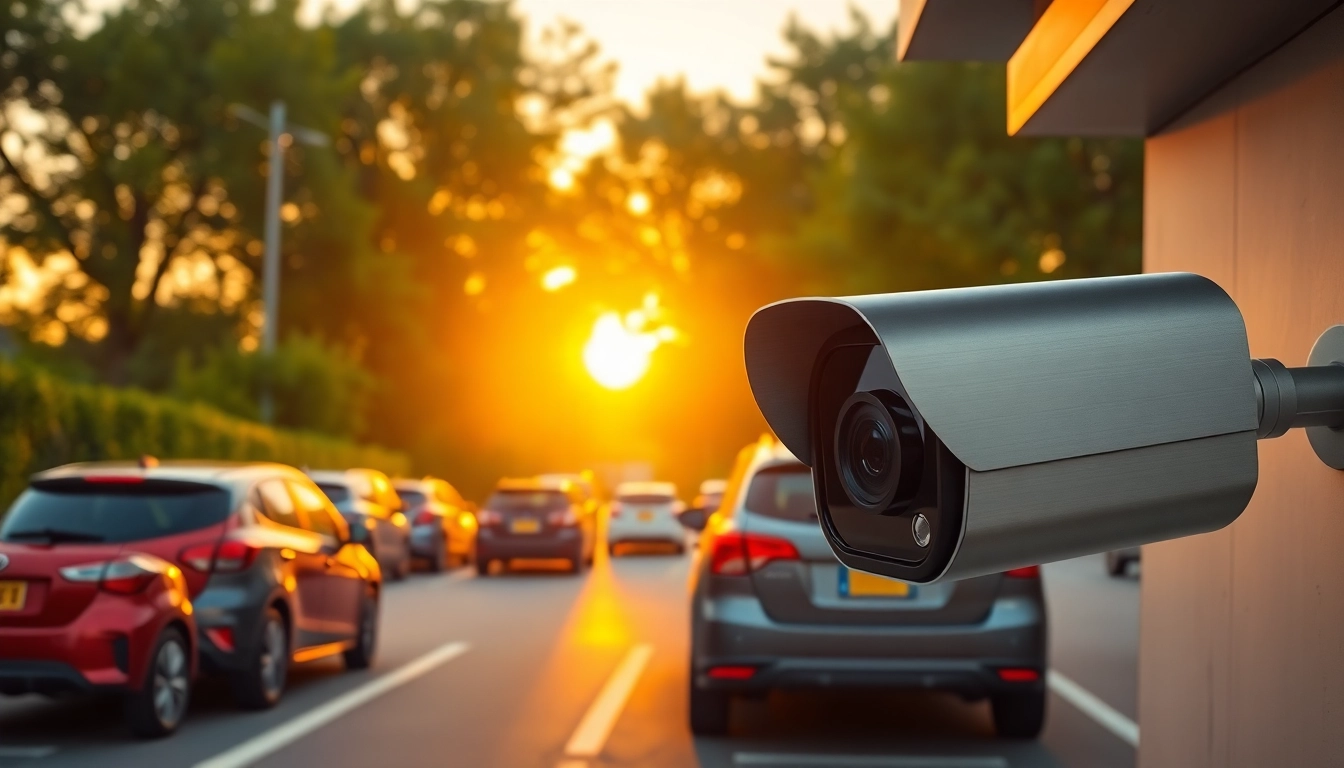
Understanding License Plate Recognition Cameras
How License Plate Recognition Works
License Plate Recognition (LPR) cameras utilize sophisticated optical character recognition (OCR) technology to capture images of vehicles’ license plates. The process begins with the camera capturing a high-resolution photo of the license plate, even at high speeds. Once the image is taken, specialized software analyzes the plate’s characters and numbers, converting it from an image to digital data that can be searched, compared, and stored. These systems are designed to operate effectively under various lighting conditions, ensuring consistent and reliable data capture.
Benefits of Using License Plate Recognition Cameras
The integration of license plate recognition camera technology in security and monitoring systems offers numerous advantages. Firstly, they enhance security by providing real-time monitoring capabilities, helping authorities track suspicious vehicles efficiently. Secondly, LPR cameras improve operational efficiency in parking management, allowing for automated access control, billing, and guest identification. Additionally, they can significantly assist in law enforcement by providing vital data in crime investigations and traffic management, helping authorities pinpoint vehicle details swiftly.
Technical Specifications of License Plate Recognition Cameras
When considering the technical specifications of LPR cameras, several factors come into play. High-resolution imaging, typically 1080p or better, is crucial for accurate character recognition. Infrared illumination allows for effective operation in low-light situations. Moreover, a robust processing capability is essential for real-time data analysis, ensuring the system can accurately read plates as they move. Connectivity options, such as Wi-Fi or Ethernet, are vital for integrating with existing security networks. It’s also important to choose cameras with weatherproof ratings if they will be placed outdoors.
Applications of License Plate Recognition Cameras
Security and Law Enforcement
LPR cameras play a pivotal role in enhancing security and law enforcement operations. They facilitate automatic vehicle identification, which can be especially useful in crime prevention and investigation efforts. For instance, police departments can deploy these cameras at strategic locations to monitor high-traffic areas. When a vehicle linked to criminal activity is detected, law enforcement can be alerted instantly, allowing for timely intervention. Furthermore, these systems can track stolen vehicles in real-time, linking the data to the broader criminal database for quick responses.
Commercial Use in Parking Facilities
Modern parking facilities have dramatically evolved with the integration of LPR cameras. These systems automate entry and exit processes, allowing for seamless transitions for vehicles. Visitors can simply drive up to an entry point where their plates are scanned, granting them access without the need for tickets or passes. This automation enhances user experience and operational efficiency, optimally managing vehicle flow and minimizing congestion within parking environments. Additionally, parking operators can use analytics generated from plate data to optimize space usage and improve service offerings.
Integration with City Infrastructure
As cities become smarter, integrating LPR cameras into urban infrastructure is becoming increasingly common. Cities can use this technology to monitor traffic patterns, manage public safety, and facilitate urban planning. These cameras can collect data to analyze vehicle flow, identify congested areas, and inform traffic management strategies. Additionally, LPR cameras enhance public safety initiatives by allowing city officials to identify vehicles of interest or track patterns related to vehicle thefts or other public disturbances. This integration represents a step towards more interconnected, efficient urban environments.
Choosing the Right License Plate Recognition Camera
Factors to Consider When Selecting a Camera
When choosing a license plate recognition camera, several factors must be weighed carefully. First and foremost, consider the resolution of the camera; higher resolutions will yield better identification rates, especially for fast-moving vehicles. Additionally, evaluate the environment where the cameras will be installed—indoor versus outdoor locations will necessitate different weatherproofing features. The camera’s processing power is also crucial, as faster processors enhance the system’s ability to analyze and store data in real-time. Finally, assess the total cost of ownership, considering installation, maintenance, and potential software licensing fees.
Top Features to Look For
Key features set high-quality license plate recognition cameras apart. Look for systems with built-in IR technology for night vision capabilities, ensuring functionality under all light conditions. Additionally, features such as cloud storage options, secure data encryption, and user-friendly interfaces are important for efficient operation and data protection. High-quality LPR cameras may also support video storage, allowing for visual context alongside the captured license plates, enhancing the utility of the footage in various applications.
Cost Considerations and ROI
Investing in a license plate recognition camera system requires careful consideration of the associated costs and expected return on investment (ROI). While the initial purchase and installation costs can be significant, the long-term savings and benefits often justify the expenditure. Cost factors include the camera system, installation, software for data processing, and ongoing maintenance expenses. Enhanced security, reduced labor costs, and improved operational efficiency in applications like parking management can lead to substantial ROI, transforming LPR cameras into a valuable asset for organizations.
Installation and Maintenance of License Plate Recognition Cameras
Professional Installation vs. DIY
The decision between professional installation and a do-it-yourself (DIY) approach can impact the performance of a license plate recognition camera system. While DIY installations may save costs upfront, they can introduce challenges related to improper positioning, misalignment, or overlooking necessary electrical and networking configurations. Professional installers, with their expertise, ensure optimal placement for maximum effectiveness, which can drastically influence the system’s data accuracy and reliability in identifying plates.
Regular Maintenance and Upkeep
To maintain the functionality of license plate recognition cameras, regular upkeep is crucial. This includes cleaning lenses to eliminate obstructions, software updates for improved performance and security, checking for any physical damage, and verifying network connectivity. Establishing a routine maintenance schedule ensures that the cameras consistently deliver accurate data and minimizes the risk of system failure due to neglect or common issues like dirt buildup or weather-related wear.
Common Issues and Troubleshooting
Like any technological system, LPR cameras can encounter issues that affect performance. Common problems may include misreads, inability to capture in low-light conditions, or connectivity issues with the data storage system. Troubleshooting often starts with ensuring proper camera alignment and settings configuration. If issues persist, consulting the manufacturer’s support resources or engaging with professionals specializing in LPR systems is advisable to resolve technical difficulties swiftly and effectively.
Future Trends in License Plate Recognition Technology
Advancements in AI and Machine Learning for LPR
The future of license plate recognition technology is heavily intertwined with advancements in artificial intelligence (AI) and machine learning. These technologies are poised to enhance the accuracy and efficiency of plate recognition processes, enabling systems to learn from historical data, adapt to new environments, and reduce false positives. Improved algorithms may facilitate the recognition of plates under challenging conditions such as varied lighting, weather situations, and high-speed movements, increasing the overall reliability of LPR systems.
Emerging Use Cases and Innovations
We can expect emerging use cases for LPR technology to develop gradually, expanding beyond traditional applications encompassing toll collection, urban development initiatives, and automated incident detection systems. Future innovations may also include integrating LPR with broader smart city technologies, automation in public transport ticketing systems, and enhanced real-time traffic management solutions. These advancements align with the growing push towards leveraging data to optimize city living and resources effectively.
Policy Implications and Privacy Concerns
As LPR technology proliferates, policy implications and privacy concerns become crucial topics of discussion. Key considerations include the ethical management of data captured by LPR systems and how that data is used. Transparency in data collection and retention policies is essential to maintain public trust. Additionally, laws and regulations must be introduced to counteract potential misuse of LPR data to safeguard individual privacy while still providing key benefits of the technology for public safety and efficiency.
FAQs about License Plate Recognition Cameras
What is a license plate recognition camera?
A license plate recognition camera is a specialized device that captures images of vehicle license plates and converts them into machine-readable data using OCR technology, enhancing security and traffic management.
How accurate are license plate recognition cameras?
Accuracy can vary, but high-quality LPR cameras typically boast accuracy rates between 90-98% under optimal conditions, depending on factors like lighting and camera resolution.
Can LPR cameras be used at night?
Yes, many LPR cameras are equipped with infrared technology, allowing them to function effectively in low-light conditions and nighttime environments.
Are there privacy concerns with LPR cameras?
Yes, privacy concerns exist as captured data can reveal sensitive information. Thus, proper data management policies are necessary to protect individuals’ privacy rights while using LPR systems.
What industries benefit from LPR technology?
Industries such as law enforcement, parking management, urban planning, and business security all benefit from LPR technology, enhancing operational efficiency and safety.