
Understanding Construction Safety Training Needs
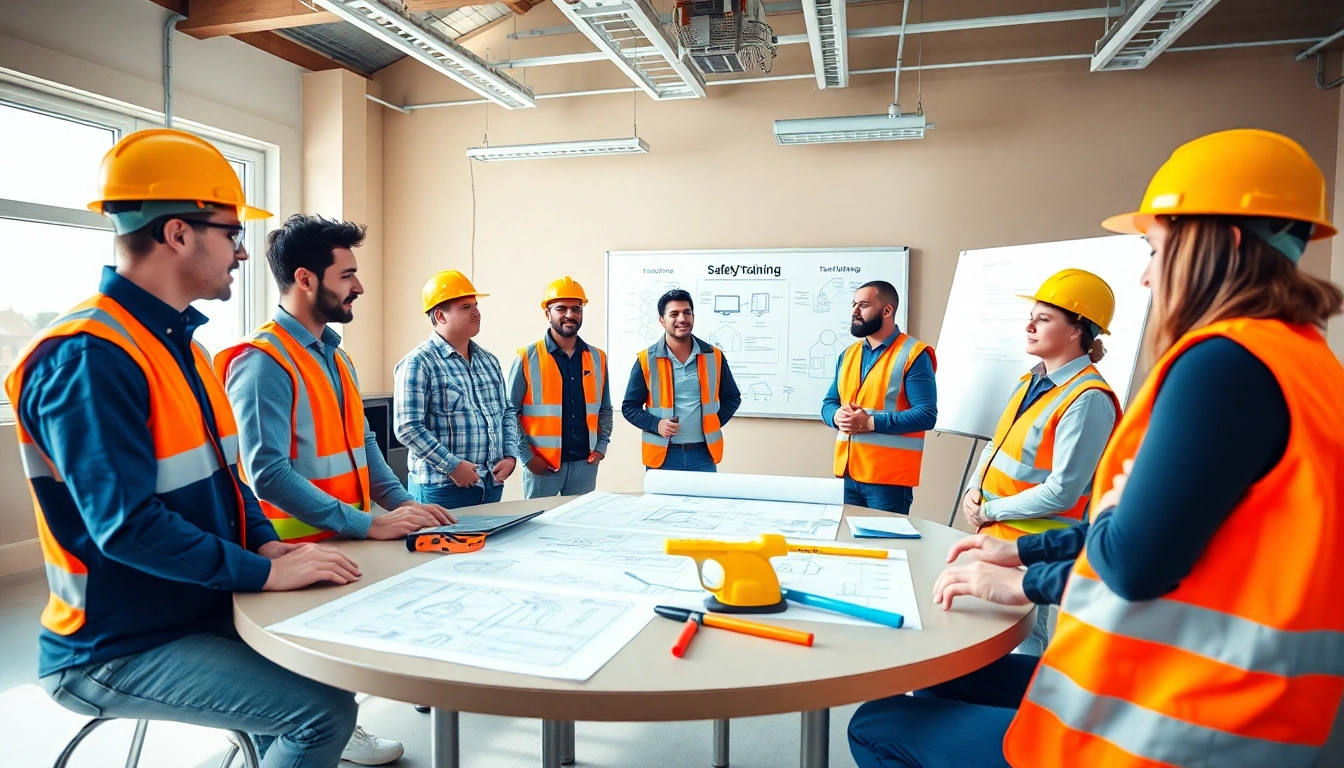
The construction industry is inherently dangerous, necessitating a strong focus on safety protocols. Understanding the specific needs for construction safety training is crucial for building an effective training program that protects workers, minimizes accidents, and fosters a culture of safety. This section delves into the importance of these training programs and outlines how organizations can identify their safety training gaps.
Importance of Construction Safety Training
Construction safety training is vital in preventing accidents and injuries on job sites. It equips workers with the knowledge and skills necessary to recognize hazards, make informed decisions, and work safely. Statistics indicate that inadequate safety training leads to higher accident rates, increased workers’ compensation claims, and legal repercussions for companies. By investing in comprehensive safety training, employers not only comply with regulations but also enhance productivity and employee morale.
Identifying Training Gaps
To create a robust training program, organizations must first identify their training gaps. This can be achieved through various methods, including employee surveys, incident reports, and job hazard analyses. Engaging in regular audits of training programs and keeping updated with industry standards can also highlight specific areas that require improvement. Identifying gaps ensures that training initiatives are tailored effectively and address the most pressing needs of the workforce.
Stakeholder Roles in Training
Collaboration among various stakeholders is essential for successful training implementation. Stakeholders, including safety officers, supervisors, and employees, each play a critical role. Safety officers are responsible for developing training content and ensuring adherence to safety regulations, while supervisors facilitate training sessions and provide on-the-job mentoring. Engaging employees in this process encourages buy-in and enhances the overall effectiveness of safety training initiatives.
Developing an Effective Training Program
Creating a successful construction safety training program involves several key steps, from designing engaging materials to leveraging technology for effective delivery.
Creating Engaging Training Materials
Effective training materials are critical to maintaining employee attention and retention. Utilizing a mix of multimedia formats—including videos, interactive presentations, and hands-on demonstrations—can engage learners and cater to various learning styles. Integrating real-life case studies and scenarios that resonate with workers’ experiences makes the training relevant and applicable to their daily tasks. Regularly updating materials to reflect new regulations or technologies is also essential to ensure the training remains current.
Utilizing Technology for Training Delivery
Technology can significantly enhance the delivery of construction safety training. E-learning platforms, mobile applications, and virtual reality simulations provide opportunities for flexible, engaging, and accessible training experiences. These tools enable employees to learn at their own pace, revisit content as needed, and participate in interactive scenarios that enhance understanding of safety protocols. Exploring innovative solutions can help organizations reach a broader audience and adapt to diverse learning preferences.
Measuring Training Effectiveness
To ensure that safety training is effective, organizations must establish clear metrics for evaluation. Pre- and post-training assessments can provide insights into knowledge gains, while ongoing observations can help gauge the real-world application of skills learned. Collecting feedback from participants is also valuable in refining training programs, as it allows trainers to understand what worked well and what aspects may require adjustment. Continuous measurement and evaluation drive improvements and ensure sustained compliance with safety practices.
Best Practices in Construction Safety Training
Implementing best practices in construction safety training promotes a proactive approach towards workplace safety, ensuring that all employees are equipped to handle potential hazards.
Interactive Training Techniques
Utilizing interactive training techniques such as group discussions, role-playing, and simulations fosters engagement and allows for practical application of learned concepts. These techniques encourage workers to actively participate in their learning, enhancing retention and understanding of safety measures. Incorporating peer-to-peer teaching and mentoring can also encourage collaboration and knowledge sharing among staff.
Regular Safety Drills
Conducting regular safety drills is essential for reinforcing training concepts and ensuring preparedness in emergency situations. Drills provide hands-on opportunities for employees to practice protocols in a controlled environment, enabling them to respond effectively when faced with real-life scenarios. Frequent drills help to solidify training content and instill confidence in employees as they know how to act in various emergencies.
Fostering a Safety Culture
A strong safety culture within an organization encourages employees to prioritize safety and take ownership of their actions. Leadership should demonstrate a commitment to safety through visible support for training initiatives and their integration into everyday operations. Recognizing and rewarding safe behaviors, as well as encouraging open communication about safety concerns, contributes to a culture that values and actively promotes safety at all levels of the organization.
Regulatory Compliance and Construction Safety Training
Construction organizations must understand the regulatory landscape surrounding safety training to ensure compliance and protect their workforce.
Understanding Safety Regulations
Familiarizing oneself with local, state, and federal safety regulations is critical for compliance. Organizations should stay informed about regulations established by entities such as the Occupational Safety and Health Administration (OSHA) and other governing bodies. This includes understanding mandatory training requirements, reporting obligations, and safety standards that apply to specific construction activities. Regular training updates can help staff remain compliant and avoid penalties.
Documenting Training Activities
Documenting training activities is essential not only for compliance purposes but also for tracking employee progress and program effectiveness. Maintaining thorough records of training sessions, participant attendance, and assessment results provides insights into areas requiring additional focus. Documentation ensures accountability and helps organizations quickly respond to audits or inspections while demonstrating a commitment to safety.
Updating Training Programs for Compliance
Regulatory requirements can change, making it necessary for organizations to regularly review and update their training programs. Establishing a system to monitor regulatory developments allows organizations to adapt quickly to changes. Furthermore, feedback mechanisms that incorporate employee experiences and emerging safety trends can inform updates to training materials, ensuring that they meet current standards and address prevalent industry risks.
Evaluating the Impact of Safety Training Programs
To gauge the effectiveness of training programs, organizations must evaluate their impact on employee performance and safety outcomes.
Performance Metrics to Consider
When assessing the impact of safety training, various performance metrics should be taken into account. This includes incident rates, near-miss reports, and employee turnover related to safety concerns. Tracking these metrics over time can yield valuable insights into the effectiveness of training programs and highlight areas needing improvement. Establishing clear benchmarks enables organizations to measure progress and adjust strategies accordingly.
Feedback from Participants
Collecting feedback from training participants is vital in evaluating program effectiveness. Surveys and interviews can provide insights into perceived usefulness, engagement levels, and areas for improvement. Actively involving employees in this process helps create a sense of ownership over safety protocols and encourages a culture of transparency. By addressing feedback, organizations can enhance their training materials and delivery methods.
Continuous Improvement Strategies
Safety training should be viewed as an ongoing process rather than a one-time event. Organizations should implement continuous improvement strategies that promote the regular review and enhancement of training programs. This may include fostering partnerships with industry experts, participating in safety forums, and integrating lessons learned from incident reports into training content. Continuous evolution ensures that safety training remains relevant and effectively meets the changing needs of the workforce.
Frequently Asked Questions
What is construction safety training?
Construction safety training educates workers about safe practices, hazard identification, and emergency procedures to minimize accidents and injuries on job sites.
Why is construction safety training important?
It reduces the risk of accidents, ensures regulatory compliance, enhances productivity, and promotes a culture of safety within the organization.
How do I identify training gaps in my workforce?
Evaluate employee performance, examine incident reports, conduct surveys, and compare existing skills against industry benchmarks to identify training needs.
What are effective training methods for construction safety?
Interactive training, multimedia presentations, hands-on demonstrations, and regular safety drills are highly effective methods to engage workers.
How often should safety training be updated?
Safety training should be reviewed and updated regularly, especially when new regulations or technologies emerge, to ensure compliance and relevance.