
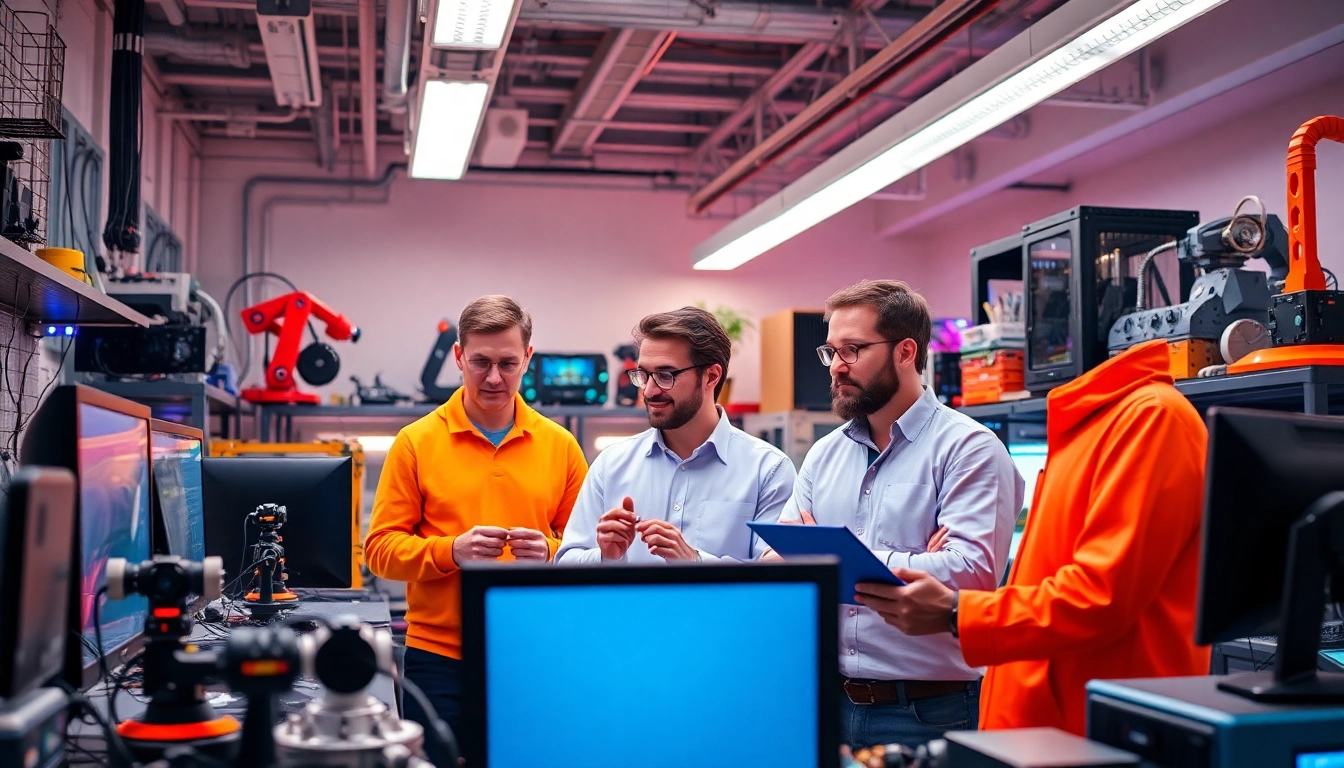
What is Technology?
Definition and Scope of Technology
Technology encompasses a vast array of tools, systems, and methodologies that humans develop to solve problems and improve their quality of life. At its core, Technology is the application of scientific knowledge for practical purposes. It can manifest in various forms, from simple hand tools to complex machinery, and even advanced digital systems that connect people and information globally. The scope of technology is continually expanding as new discoveries and innovations emerge, prompting us to rethink existing paradigms and explore uncharted territories.
Historical Context of Technology Development
The history of technology mirrors the history of human civilization itself. From primitive tools used by early humans for hunting and gathering to the sophisticated robotics of the 21st century, technology has evolved alongside societal changes and cultural developments. Key milestones include the invention of the wheel, the printing press, steam power, and the internet, each representing a significant leap in human capability. Understanding this historical context not only highlights our innovative spirit but also frames our current technological landscape and challenges.
Types of Technology in Modern Society
Today, technology manifests in numerous categories, each serving distinct purposes and industries. Some primary types include:
- Information Technology (IT): Focuses on the use of computers and telecommunications to store, retrieve, transmit, and manipulate data.
- Communication Technology: Encompasses tools and platforms that facilitate communication, such as telephony, social media, and email.
- Consumer Technology: Refers to electronic gadgets and appliances, like smartphones, smartwatches, and home automation systems, that enhance everyday life.
- Medical Technology: Encompasses a variety of healthcare tools and innovations, including diagnostic machines, therapeutics, and biomedical devices.
- Environmental Technology: Focused on developing sustainable solutions to address environmental challenges, such as renewable energy and waste management systems.
The Importance of Technology
How Technology Enhances Daily Life
The significance of technology in our daily routines cannot be overstated. From mobile applications that streamline grocery shopping to smart homes that manage energy consumption, technology enhances how we live. Healthcare technologies ensure prompt diagnosis and treatment, while educational platforms provide opportunities for learning regardless of geographical restrictions. Additionally, the rise of telecommuting technologies has transformed traditional work environments, promoting work-life balance and flexibility.
The Role of Technology in Business Growth
In the corporate realm, technology serves as a cornerstone for growth and innovation. It enables businesses to optimize operations, streamline communication, and enhance customer engagement. Solutions like Customer Relationship Management (CRM) systems help businesses understand their clientele better, while data analytics tools allow companies to derive insights from vast amounts of information. As a result, technology not only boosts productivity but also fosters adaptability and competitiveness in an evolving marketplace.
Technology’s Impact on Education and Learning
Education has transformed dramatically with the integration of technology. Online learning platforms have democratized access to quality education, allowing learners of all ages to engage in continuous learning. Tools such as virtual classrooms and interactive educational software enhance the teaching and learning experience, catering to diverse learning styles. Moreover, technologies like artificial intelligence and machine learning enable personalized education journeys, making it easier for educators to address individual student needs.
Challenges and Considerations in Technology
Ethical Considerations in Technology Use
As technology permeates every aspect of our lives, ethical issues surrounding its use have gained prominence. Concerns such as user privacy, data security, and algorithmic bias must be addressed diligently. Organizations must implement ethical guidelines for technology usage, taking responsibility for ensuring that technological advancements do not infringe upon individual rights or contribute to inequality.
Technological Dependence and Issues
While technology offers numerous benefits, reliance on it can lead to various challenges, such as reduced interpersonal communication skills and the impact of screen time on mental health. Furthermore, the over-dependence on technology can create disruptions if systems fail or are compromised. It is crucial to strike a balance between leveraging technology for efficiency and maintaining essential human connections.
Security Concerns in Technology
With the increasing digitization of information comes heightened security risks. Cybersecurity threats pose significant challenges for individuals and organizations alike. Protecting sensitive data from unauthorized access and ensuring secure transactions is paramount in today’s landscape. Organizations need to adopt robust security protocols, conduct regular assessments, and foster a culture of security awareness among employees to mitigate these risks.
Future of Technology
Emerging Trends Shaping Technology
The future of technology is poised to be shaped by multiple emerging trends. Artificial intelligence and machine learning are anticipated to revolutionize industries by automating routine tasks and enhancing decision-making processes. Additionally, quantum computing holds potential for solving complex problems beyond the capabilities of current systems. Other notable trends include the expanding use of the Internet of Things (IoT) devices, blockchain technology, and advancements in biotechnology, which continuously redefine capabilities across sectors.
Predictions for Technology Advancements
Forecasts suggest that technology will increasingly become integrated into our environments, shaping how we interact with our surroundings. Innovations in smart technology will likely lead to cities where infrastructure is interconnected through advanced networks, enhancing efficiency and sustainability. Additionally, the convergence of digital and physical worlds through augmented reality (AR) and virtual reality (VR) is expected to create new opportunities for entertainment, education, and work.
How to Stay Relevant in the Evolving Technology Landscape
To thrive in a rapidly evolving technological landscape, individuals and organizations must commit to lifelong learning and adaptability. Staying updated with technological advancements through continuous education, professional development, and active participation in industry trends is essential. Networking with peers and engaging in collaborative projects can also foster innovation and knowledge sharing, ensuring that one remains relevant in the face of change.
Best Practices in Leveraging Technology
Implementing Technology Solutions Effectively
To harness the benefits of technology successfully, organizations should adopt a structured approach for implementation. This includes thorough needs assessments, stakeholder engagement, and drafting comprehensive implementation strategies. Clear goals should be established, alongside metrics for measuring success. A phased approach allows teams to learn from initial deployments, ensuring subsequent implementations are refined and effective.
Measuring Technology Success
Assessing the impact of technology solutions is crucial for understanding their effectiveness. Organizations should define success metrics that align with their goals, such as increased efficiency, reduced costs, or improved user satisfaction. Regular evaluations through surveys, performance analytics, and feedback loops help identify areas for improvement and inform future technology initiatives.
Continuous Learning and Adaptation in Technology
The rapid pace of technological change necessitates a commitment to continuous learning and adaptation. Organizations should prioritize training programs, encourage a culture of experimentation, and support employees in acquiring new skills. By fostering an environment where innovation is encouraged, organizations can effectively navigate the complexities of the technology landscape and remain competitive.