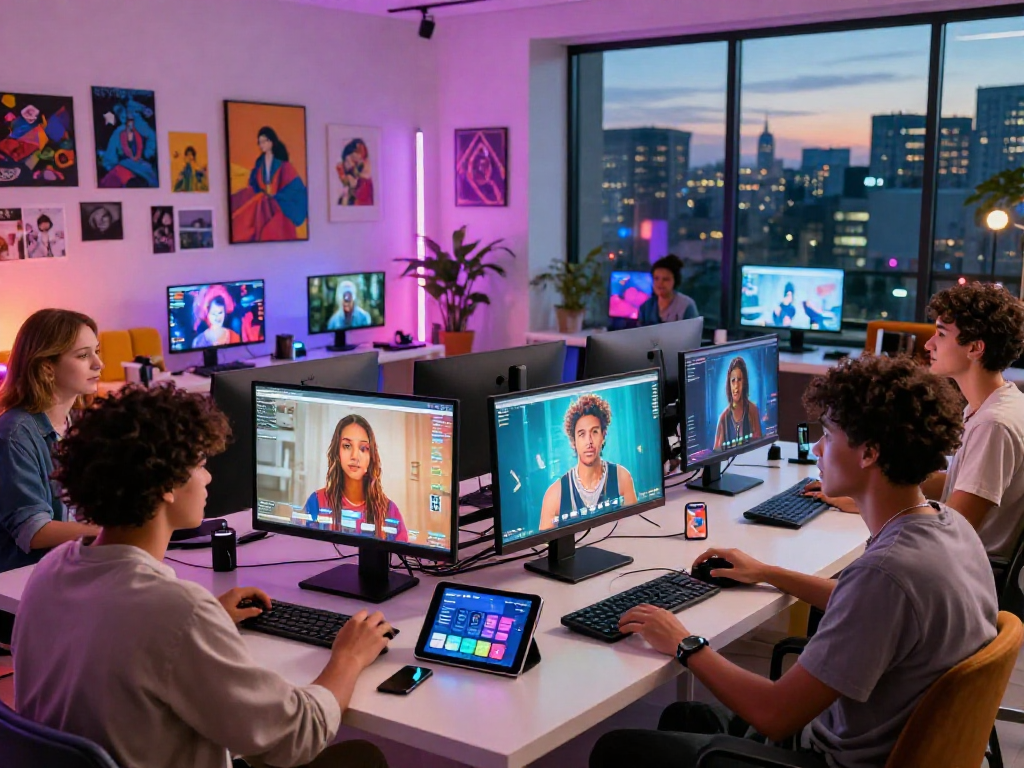
Understanding Video Capture Basics
What is Video Capture?
Video capture is the process of recording moving images and sound for various purposes, from entertainment to education and marketing. It translates live scenes into digital formats that can be edited, stored, and shared. This technology has evolved over time, making it accessible to everyone, from amateur videographers to professional filmmakers. Effective video capture is crucial in delivering engaging content, whether it’s for a wedding videography, product advertisement, or online education.
The Role of Equipment in Video Capture
The quality of video capture heavily relies on the equipment used. Here’s a breakdown of essential tools:
- Cameras: DSLR, mirrorless cameras, and camcorders are popular choices, each offering distinct advantages for videography.
- Microphones: Quality audio is just as critical as video; using lavalier, shotgun, or handheld microphones can enhance sound clarity.
- Lighting: Proper lighting equipment such as softboxes, LED panels, and reflectors can significantly improve the visual quality of the footage.
- Stabilizers: Gimbals and tripods help eliminate shaky footage, providing a more professional look.
Essential Techniques for Beginners
As a beginner in video capture, mastering basic techniques is essential. Here are some foundational skills every novice should develop:
- Framing: Learn the rule of thirds to balance your shot composition.
- Exposure: Understand ISO, aperture, and shutter speed to control the image quality.
- Focus: Use manual focus for precision, especially in complex scenes.
- Storytelling: Craft a narrative structure to engage viewers and convey a clear message.
Advanced Video Capture Methods
Utilizing Different Camera Angles
Camera angles can dramatically influence how your audience perceives a scene. Exploring various angles adds depth and interest. Some effective angles include:
- Bird’s Eye View: Provides a unique perspective and can emphasize scale or isolation.
- Close-Ups: Captures details and emotions, creating a connection with viewers.
- Over-the-Shoulder Shots: Offers a glimpse into perspectives, particularly effective in dialogues.
Incorporating Movement for Dynamic Shots
Camera movement can add excitement and energy to your footage. Techniques to consider include:
- Push In/Out: Zooming in creates intimacy, while zooming out reveals context.
- Panning: Smooth side-to-side movement can follow action or reveal landscapes.
- Dolly Shots: Moving the camera closer or further enhances scene dynamics.
Editing Techniques to Enhance Your Video Capture
Post-production is critical in polishing your captured footage. Here are key editing techniques:
- Cuts and Transitions: Seamlessly connect scenes to maintain flow and pacing.
- Color Grading: Adjusting hues and tones can dramatically set the mood of the footage.
- Sound Design: Incorporating ambient sounds, background music, and voiceovers can increase engagement.
Common Challenges in Video Capture
Maintaining Steadiness During Capture
Shaky footage can deter viewers and affect the overall quality. To achieve steadiness, consider using stabilizers, exercising proper holding techniques, and practicing slow movements when panning or tilting the camera.
Dealing with Poor Lighting Conditions
Poor lighting can compromise video quality significantly. Solutions include using external light sources, adjusting camera settings (like increasing ISO), and shooting during optimal times, such as the golden hour for natural sunlight.
Audio Quality Challenges in Video Capture
Quality audio is essential for a compelling video. Minimize background noise and consider using directional microphones. Additionally, conduct sound checks and monitor audio levels throughout your shoot to ensure clarity.
Practical Applications of Video Capture
Using Video Capture for Events and Occasions
Video capture is invaluable for documenting events like weddings, birthdays, and corporate functions. Capturing candid moments and structured segments allows you to create memorable highlights that can be shared with audiences far and wide.
Benefits of Video Capture in Marketing
Effective video capture can enhance marketing strategies by presenting products engagingly and informatively. Video content can improve conversion rates, increase website traffic, and enhance brand awareness through platforms like social media.
Creative Projects That Utilize Video Capture
Artists and creators are increasingly using video capture in various creative projects such as documentaries, short films, and performance art. It allows them to express their vision and connect with audiences in powerful ways.
Measuring Success in Your Video Capture
Analyzing Viewer Engagement Metrics
Understanding viewer engagement through metrics such as views, watch time, and shares is essential for evaluating the success of your video capture. Utilize tools like Google Analytics or social media insights to track performance and gather feedback.
Feedback and Improvement with Video Capture
Constructive feedback from viewers helps refine your techniques and approach. Engage your audience through surveys or comments sections to learn what they liked and what can be improved for future projects.
Setting Goals for Future Projects
Establishing SMART (Specific, Measurable, Achievable, Relevant, and Time-bound) goals ensures your future video capture projects are aligned with broader business or personal objectives. Clear goals guide your creative process and help measure progress efficiently.
Frequently Asked Questions about Video Capture
What equipment do I need for video capture?
Basic equipment includes a camera, microphone, lighting gear, and a tripod. Advanced setups may involve stabilizers and additional sound equipment.
How can I improve my video capture skills?
Practice regularly, study techniques from professionals, and experiment with different styles and angles to enhance your skills.
What are the best lighting conditions for video capture?
Natural light during the golden hour is ideal. If indoors, use soft, diffused lighting to avoid harsh shadows.
How important is audio quality in video capture?
Audio quality is critical; poor sound can lead to viewer disengagement. Always prioritize sound alongside visuals during capture.
What software should I use for editing my video capture?
Popular editing software includes Adobe Premiere Pro, Final Cut Pro, and DaVinci Resolve, offering various features for all skill levels.