Understanding Video Capture
What is Video Capture?
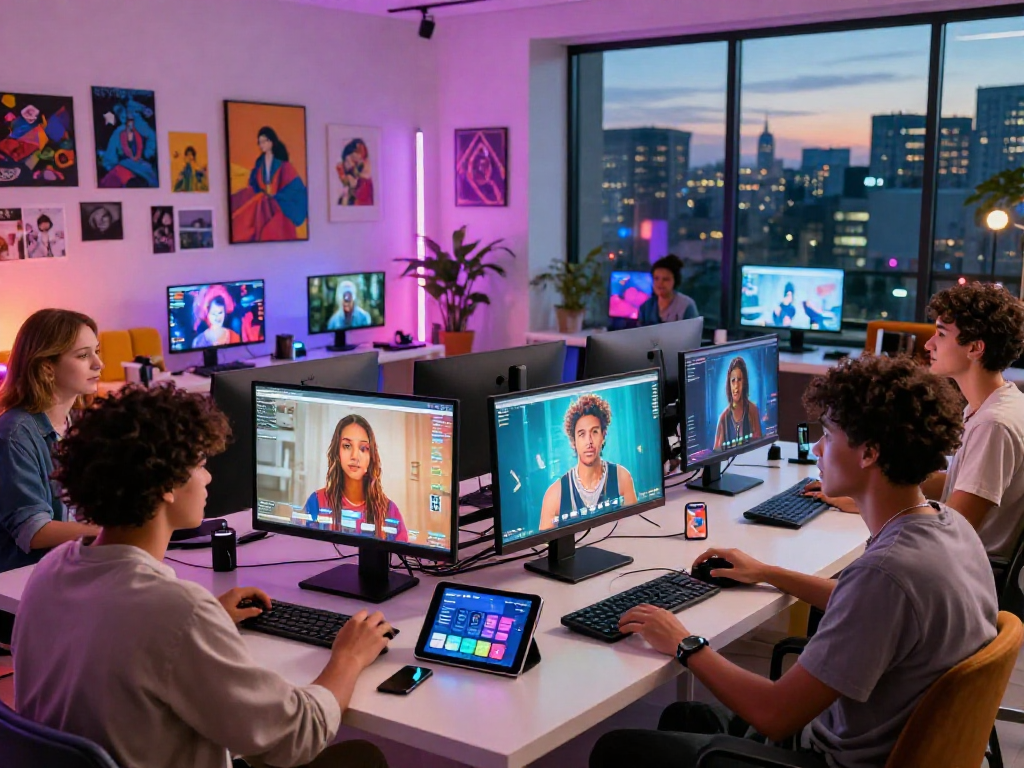
Video capture refers to the process of collecting and recording moving images, typically using cameras or specialized equipment. This act can range from simple home videos to complex, professional film production projects. The essence of video capture lies in its ability to document reality, convey stories, and create engaging content that resonates with audiences. From vlogs to documentaries, effective video capture engages viewers with compelling narratives and visual experiences. Understanding the nuances of video capture is essential for anyone looking to elevate their visual storytelling skills.
Importance of Video Capture in Storytelling
Video capture is a cornerstone of modern storytelling. It enables creators to bring narratives to life through visual elements that convey emotions and ideas more vividly than text alone. By capturing movements, expressions, and ambient sounds, video storytelling fosters a deeper connection with the audience. For brands and businesses, effective video capture can enhance marketing strategies, improve audience retention, and elevate brand presence in a saturated digital landscape. Additionally, it allows for the exploration of creative techniques that can dramatically enhance narrative impact, making it indispensable in diverse fields such as education, entertainment, and corporate communication.
Different Methods of Video Capture
Video capture can be approached through various methods, each tailored to meet different requirements and creative ambitions. The primary methods include:
- Direct Capture: This involves recording live events directly, using cameras that capture real-time footage.
- Screen Recording: This method captures digital content from screens, ideal for tutorials and software demonstrations.
- Animation: Animated visuals are created and recorded digitally and can be used to convey complex ideas in an engaging format.
- Stop Motion: This technique involves taking still photographs of physically manipulated objects and playing them in sequence to create the illusion of movement.
Each method has its unique applications and can be selected based on the desired aesthetic and functional requirements of the content being produced.
Key Equipment for Effective Video Capture
Essential Cameras for Quality Video Capture
Investing in quality cameras is fundamental for achieving the highest standards in video capture. The choices include:
- DSLR Cameras: These provide superior image quality and lens versatility, making them a popular choice for professionals.
- Mirrorless Cameras: Known for their compactness and advanced technology, mirrorless cameras offer high performance without the bulk.
- Camcorders: These are designed for video recording and often come with built-in stabilization features, making them user-friendly for beginners.
- Action Cameras: Compact and durable, action cameras like GoPro are perfect for capturing high-energy activities in challenging environments.
Each type of camera has specific use cases, and choosing the right one aligns with the production goals at hand.
Audio Gear to Complement Video Capture
Quality audio is as important as video and significantly influences viewer experience. Essential audio equipment includes:
- Lavalier Microphones: These clip-on mics are discreet and ideal for interviews or scenes involving dialogue.
- Shotgun Microphones: Directional mics that capture sound from specific sources, minimizing background noise.
- Audio Recorders: External recorders often provide better sound quality than built-in camera audio systems.
- Headphones: Critical for monitoring audio quality during recording to ensure optimal sound capture.
Utilizing high-quality audio gear enhances the overall production value, making the video more engaging and professional.
Lighting Equipment for Optimal Video Capture
Proper lighting significantly affects the quality of the captured video. Essential lighting equipment includes:
- Softbox Lights: These diffused light sources soften shadows and evenly illuminate subjects.
- LED Panels: Versatile, adjustable, and often portable, LED panels provide consistent lighting and color accuracy.
- Ring Lights: Ideal for tutorials and beauty videos, providing flattering, even illumination around the subject.
- Reflectors: Useful for bouncing light onto the subject, enhancing natural light and depth in shady environments.
Employing the right lighting equipment can dramatically improve video quality, revealing details and enhancing mood effectively.
Techniques to Enhance Video Capture
Framing and Composition in Video Capture
Effective framing and composition can transform ordinary video capture into visually compelling narratives. Key principles include:
- Rule of Thirds: Dividing the frame into thirds and aligning the subject along lines or intersections enhances visual interest.
- Leading Lines: Utilizing natural lines in the environment guides viewers' eyes towards the focal point of the scene.
- Depth of Field: Adjusting focus can create a sense of depth, drawing attention to the subject while blurring the background.
- Symmetry and Balance: Creating visual harmony by balancing elements within the frame can be both striking and satisfying.
Incorporating these techniques transforms how the audience perceives the story, enhancing emotional resonance and engagement.
Using Angles and Perspectives in Video Capture
Changing camera angles and perspectives can significantly alter the viewer's experience. Effective methods include:
- High Angles: These can make subjects appear smaller or more vulnerable, useful for emotional storytelling.
- Low Angles: Convey power or dominance, giving the subject a more imposing appearance.
- Over-the-Shoulder Shots: This perspective invites viewers into the scene and often enhances emotional connections during dialogues.
- Wide Shots: Establish context by showcasing the environment, making the scene feel larger and richer.
Experimenting with different angles enriches video capture and keeps audiences engaged by introducing visual variety.
Editing Techniques Post Video Capture
The editing phase is where raw footage is transformed into a polished piece. Essential editing techniques include:
- Cutting for Pace: Ensuring each cut enhances narrative flow, maintaining viewer interest.
- Color Correction: Adjusting colors to create consistency and enhance mood can significantly impact how the story is perceived.
- Transitions: Smooth transitions create visual fluidity; various types can be employed for creative effects or to signify scene changes.
- Sound Mixing: Balancing audio levels and integrating sound effects or music elevates the viewers' overall experience.
Properly executed editing shapes the narrative and helps convey the intended message clearly and effectively, making it a crucial step in the workflow.
Common Challenges in Video Capture
Addressing Lighting Issues in Video Capture
Lighting challenges are common during video capture, often leading to unwanted shadows or overexposed highlights. Solutions include:
- Utilizing Natural Light: Taking advantage of natural light during golden hour creates flattering, soft lighting.
- Adjusting Settings: Modifying camera settings, such as ISO and aperture, can help compensate for poor lighting conditions.
- Employing Artificial Lighting: Bringing in additional light sources can aid in achieving desired exposure and mood.
- Using Flags and Diffusers: These tools can control light spill and soften harsh light, ensuring better coverage.
Understanding lighting dynamics can help troubleshoot problems and ensure successful video capture in varying environments.
Overcoming Technical Glitches During Video Capture
Technical issues can arise unexpectedly and may disrupt video capture. Strategies to mitigate these include:
- Check Equipment Pre-Shoot: Always test cameras, microphones, and lighting setups before beginning the shoot to identify potential issues.
- Have Backups: Carry spare batteries, memory cards, and cables to address any unexpected equipment failure.
- Use Redundant Systems: Employ dual audio recording systems to ensure audio capture remains intact even if one system fails.
- Monitor Live Feeds: Keeping an eye on live outputs can help immediately identify and rectify problems during the shoot.
Being prepared and proactive when dealing with technology enhances the likelihood of uninterrupted video capture.
Handling Subject Dynamics for Better Video Capture
Capturing subjects can present unique challenges, especially with different personalities and dynamics involved. Techniques to enhance experiences include:
- Building Rapport: Creating a comfortable atmosphere helps subjects feel at ease, resulting in more genuine performances.
- Directing Clearly: Providing clear, concise directions can help produce desired actions and expressions from subjects.
- Adapting to Changes: Be flexible and ready to adjust your plans based on the subject's moods or external factors, enhancing natural interactions.
- Practicing Patience: Sometimes, waiting for the right moment yields the best results, so allow enough time for authentic behaviors to emerge.
Understanding and navigating the complexities of subject dynamics effectively can contribute to more engaging and genuine video capture.
Measuring Success After Video Capture
Key Performance Indicators for Video Capture
Assessing the success of video capture involves analyzing various performance indicators, such as:
- View Count: The number of views provides a basic measure of reach and interest.
- Watch Time: Monitoring how long viewers stay engaged helps assess the video's effectiveness in holding attention.
- Share Rate: High share rates indicate content that resonates with the audience and encourages sharing.
- Conversion Rate: For promotional videos, tracking how many viewers take action post-view can measure effectiveness.
By evaluating these metrics, creators can gauge impact, identify trends, and refine future projects.
User Feedback and Engagement Metrics
User feedback is invaluable in determining how well a video resonates. Key engagement metrics include:
- Comments: Viewer remarks provide insight into perceptions and can highlight strengths or areas for improvement.
- Likes and Dislikes: The ratio of likes to dislikes can provide a quick visual gauge of audience approval.
- Engagement Rate: Calculated by measuring interactions relative to views, this metric reflects how active the audience is with the content.
- Retention Rate: Tracking at which points viewers drop off can inform necessary adjustments in pacing or content structure.
Collecting and analyzing user feedback and engagement metrics can facilitate continuous improvement and enhance future video capture efforts.
Continuous Improvement Strategies for Video Capture
To improve video capture skills and effectiveness:
- Review Analytics: Regularly analyze performance data to understand what works and what doesn't, adjusting strategies accordingly.
- Seek Feedback: Actively ask peers or viewers for constructive criticism to gain fresh perspectives on your content.
- Experiment with Styles: Constantly try new techniques, genres, and formats to expand your skills and discover untapped potential.
- Stay Informed: Keep up with industry trends and advancements in technology to refine your practices and maintain relevance.
Through systematic evaluation and a commitment to learning, you can continuously enhance your video capture abilities and deliver increasingly impactful content.
Frequently Asked Questions
What is video capture?
Video capture is the process of recording moving images using cameras and equipment to create visual media.
Why is lighting important in video capture?
Lighting enhances video quality by minimizing shadows and highlights, influencing the visual mood and clarity.
How can I improve audio quality in video capture?
Using high-quality microphones, monitoring audio levels, and employing soundproofing techniques can greatly enhance audio quality.
What techniques enhance storytelling in video capture?
Framing, composition, and varied angles can significantly enhance storytelling and viewer engagement in video capture.
How can I measure the success of my video?
Evaluating view counts, engagement metrics, and user feedback can provide insights to assess video performance effectively.