Understanding Structural Steel Welding
Structural steel welding is a fundamental aspect of construction and fabrication that involves joining metal components to create sturdy and durable structures. This process serves as the backbone for countless applications, from towering skyscrapers to intricate bridges. With the increasing demand for robust and reliable constructions, mastering the art of structural steel welding has become essential for engineers and welders alike.
The world of structural steel welding is both broad and complex. It encompasses various techniques, materials, and best practices, each tailored to specific needs and safety standards.
What is Structural Steel Welding?
At its core, structural steel welding refers to the process of permanently joining structural steel members through various welding techniques. This process requires a high level of skill and precision, as the weld quality directly affects the strength and integrity of the final structure. Structural steel welding is vital in ensuring the stability and longevity of architectural elements, frameworks, and heavy machinery.
The process is governed by various standards and specifications, ensuring that welded joints meet the necessary load-bearing requirements. Knowledge of different welding types—such as MIG, TIG, and stick welding—is crucial for achieving optimal results in various environments and applications.
Materials Used in Structural Steel Welding
The primary materials involved in structural steel welding include:
- Structural Steel: This includes various grades and types of steel, such as A36, A992, and A572. Each type offers distinct mechanical properties tailored to specific structural applications.
- Filler Materials: To create strong welds, appropriate filler materials are necessary. These can include consumable electrodes or filler rods designed to complement the base material.
- Welding Gases: Gases such as argon, carbon dioxide, and helium play a critical role in shielding the weld area from contaminants while enhancing the welding process.
The choice of materials depends heavily on the specific project requirements, including structural loads, welding environment, and desired aesthetic finishes.
Common Applications of Structural Steel Welding
Structural steel welding is utilized across a broad spectrum of industries. Common applications include:
- Buildings: From residential homes to commercial skyscrapers, structural steel provides the skeleton for many buildings, making welding essential for stability.
- Bridges: Steel bridges rely heavily on welding to ensure the safety and longevity of the structure, with critical connections being welded to support heavy traffic loads.
- Industrial Applications: Industries like manufacturing and shipbuilding use structural steel welding to build frameworks, equipment, and vehicles.
- Infrastructure: Structural steel is crucial in constructing warehouses, factories, and power plants, where strong foundations are necessary to withstand industrial stresses.
Essential Techniques for Effective Structural Steel Welding
Welding Processes Explained
Several welding processes are commonly used in structural steel welding, each offering unique advantages depending on the application:
- MIG Welding (Gas Metal Arc Welding): This process is known for its speed and versatility, making it ideal for factory settings. It involves feeding a continuous solid wire electrode through a welding gun, shielding the weld pool with a gas.
- TIG Welding (Gas Tungsten Arc Welding): TIG welding provides superior control and produces high-quality welds, ideal for thin materials. It utilizes a non-consumable tungsten electrode and an inert gas shield.
- Stick Welding (Shielded Metal Arc Welding): Stick welding is often used in outdoor applications because of its portability. The process uses a consumable electrode coated in flux to protect the weld area from contamination.
- Flux-Cored Arc Welding: Similar to MIG welding, this process uses a tubular wire filled with flux, which produces its shielding gas during the welding process, allowing for effective welding in various positions.
Choosing the Right Technique for Your Project
Selecting the appropriate welding technique is critical for achieving the desired structural integrity and appearance of the weld. Factors to consider include:
- Material Thickness: Thicker materials may require more robust welding processes like MIG or stick welding, while thinner materials may be better suited to TIG welding.
- Welding Position: Some processes are easier to use in specific positions (downhill, uphill, overhead), which can influence the choice of technique.
- Accessibility: If working in confined spaces or remote locations, portable methods like stick welding may be necessary.
Tips for Ensuring Strong Welds
To achieve strong and durable welds, consider the following best practices:
- Proper Joint Preparation: Ensure a clean and appropriately shaped joint to facilitate a good fit-up and effective welding.
- Control Heat Input: Manage voltage and travel speed to prevent issues like warping or burn-through.
- Use Appropriate Filler Material: Choose filler materials that are compatible with the base metals for increased strength of the weld joint.
- Conduct Regular Inspections: Employ visual inspections and non-destructive testing methods to catch any defects early in the welding process.
Safety Practices in Structural Steel Welding
Personal Protective Equipment (PPE)
Safety should always be a priority in structural steel welding. Wearing the right PPE can prevent serious injuries and promote a safe working environment:
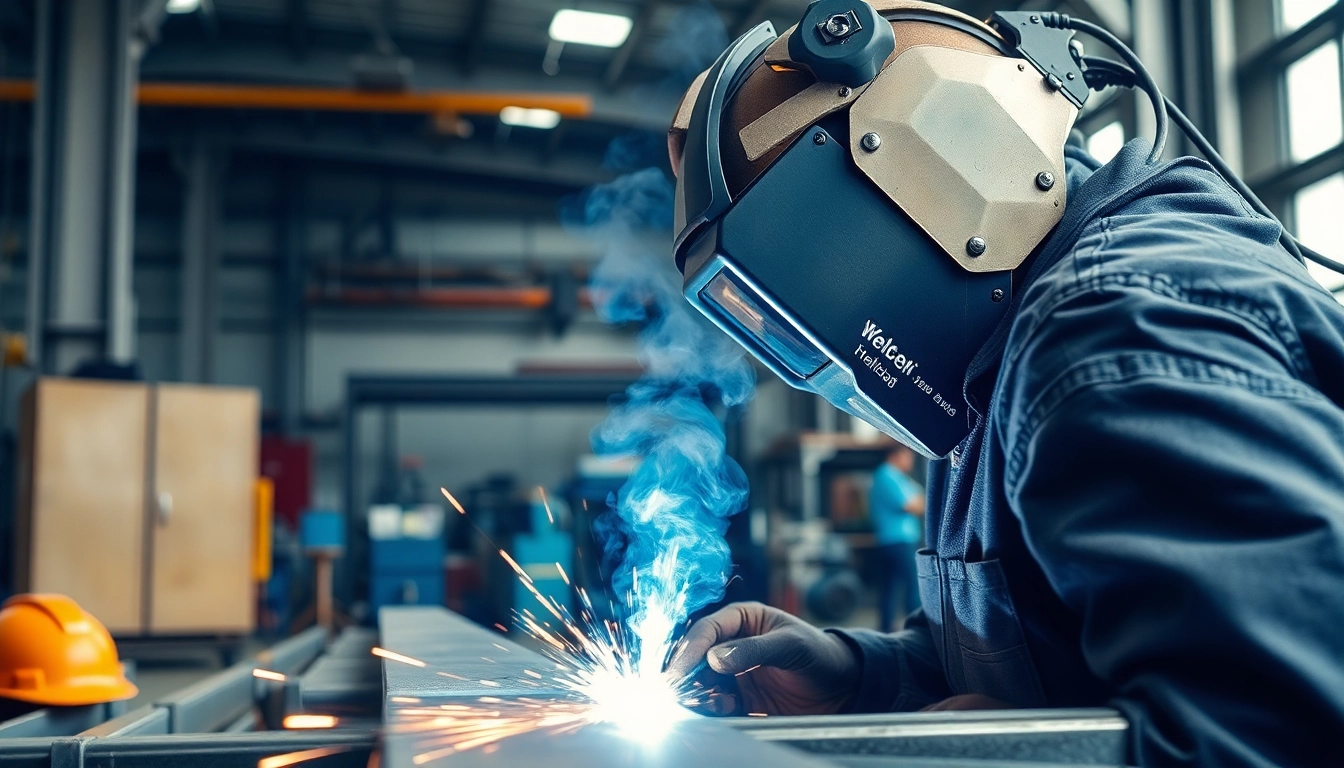
- Welding Helmets: These protect the eyes and face from harmful UV radiation and sparks.
- Protective Clothing: Flame-resistant clothing can shield against burns and sparks from the welding process.
- Gloves: Heavy-duty welding gloves are essential for hand protection against heat and sharp metal edges.
- Respirators: In environments where fumes and gases are present, appropriate respiratory protection can prevent inhalation hazards.
Identifying and Mitigating Hazards
Understanding potential hazards is key to maintaining a safe welding environment. Common dangers include:
- Fire and Explosions: Flammable materials nearby can ignite from sparks. Implement suitable fire safety protocols.
- Fume Exposure: Welding fumes can be hazardous, hence ensuring regular ventilation or using extraction systems is essential.
- Electrical Shock: Proper grounding of equipment and cautious handling of electrical components can mitigate this risk.
Emergency Protocols for Welders
Having emergency protocols in place is crucial in the welding environment. Important steps include:
- Emergency Contacts: Ensure all team members know emergency contact numbers and procedures for reporting injuries.
- Fire Extinguishers: Ensure accessible fire extinguishers are available and appropriately rated for common welding hazards.
- Evacuation Plans: Maintain clear evacuation plans visible to all employees to ensure safe exit routes in case of an emergency.
Advanced Strategies in Structural Steel Welding
Improving Weld Quality and Aesthetics
Enhancing weld quality and appearance can contribute not only to the safety of a structure but also to its overall appeal. Strategies include:
- Consistent Technique: Practice uniform welding techniques to minimize issues and defects in each weld.
- Post-Weld Treatments: Consider grinding, polishing, or painting welded areas to improve aesthetics and prolong durability.
- Proper Heat Control: Avoid overheating to reduce distortion, promoting both strength and visual quality in the welds.
Innovative Techniques in Modern Welding
As technology continues to evolve, so do the methods and equipment used in structural steel welding. Innovations such as:
- Robotic Welding Systems: Automation increases efficiency and consistency, essential for large-scale projects.
- 3D Printing: Emerging as a complementary technology, 3D printing is utilized for creating custom components that fit precisely into existing steel structures.
- Laser Welding: Offers precise control and reduced heat input, ideal for thin materials or intricate designs.
Continuous Improvement in Welding Practices
Continuous improvement in welding practices ensures organizations stay compliant with industry standards and embrace advancements in technology. This can be achieved through:
- Regular Training: Ongoing education and training for welders keep them updated on the latest techniques and safety practices.
- Feedback Mechanisms: Encourage feedback from welders to identify areas of improvement and share best practices.
- Performance Metrics: Implementing KPIs to measure productivity, quality, and safety can help drive better outcomes in welding operations.
Measuring the Success of Structural Steel Welding Projects
Key Performance Indicators (KPIs)
Measuring the success of structural steel welding projects can be accomplished by tracking various KPIs, which provide insights into performance and quality:
- Weld Quality: Documenting the rate of rejects or rework required due to poor welds.
- Productivity: Evaluating the amount of work completed over a specific time frame.
- Safety Incidents: Monitoring accidents or near misses can indicate the overall safety of the work environment.
- Cost Efficiency: Tracking project budgets against actual expenditures can reveal opportunities for cost savings.
Testing and Inspection Methods
Testing and inspection are pivotal in verifying weld quality. Common methods include:
- Visual Inspection: The simplest form, where welds are examined for surface defects.
- Ultrasonic Testing: This non-destructive method uses sound waves to detect internal flaws.
- X-ray Inspection: Provides a detailed view of the weld and can identify defects hidden from the naked eye.
Case Studies of Successful Structural Steel Welding Projects
Examining case studies can provide valuable insights into effective welding practices. Successful projects often demonstrate:
- Effective Project Planning: Thorough planning ensures adequate resource allocation, minimizing unexpected challenges during execution.
- Collaboration Among Teams: Successful projects highlight the importance of teamwork between welders, engineers, and project managers.
- Quality Control Measures: Rigorous inspection protocols leading to high-quality outputs consistently.