Understanding the Role of a Videographer
In our increasingly visual world, the role of a videographer has become paramount for various events, marketing strategies, and documentary storytelling. A Videographer is not merely a person who operates a camera; rather, they are essential visual storytellers who assess, capture, and present narratives through moving images. Their craft encompasses a multitude of skills that blend technical knowledge with artistic vision.
What Does a Videographer Do?
The responsibilities of a videographer can vary greatly depending on the context in which they operate. In a broad sense, they are tasked with capturing and producing video content for various uses, including commercial advertising, weddings, corporate events, and personal projects. Their job typically involves:
- Pre-Production Planning: This phase includes discussions with clients to understand their vision, drafting scripts, and planning the necessary logistics.
- Camerawork: Skillful operation of various cameras and equipment to shoot high-quality footage that aligns with the project’s goals.
- Audio Management: Ensuring crystal clear sound, including microphone placement and capturing ambient audio, which is crucial for storytelling.
- Post-Production Editing: Utilizing editing software to compile footage, add effects, transitions, and soundtracks, which brings the project to life.
Ultimately, the role of a videographer is dynamic, requiring them to be adaptable and innovative in their approach to capturing footage that resonates with audiences.
Different Types of Videographers
Videographers can specialize in various niches, allowing them to tailor their skills for specific projects. Here are some common types you may encounter:
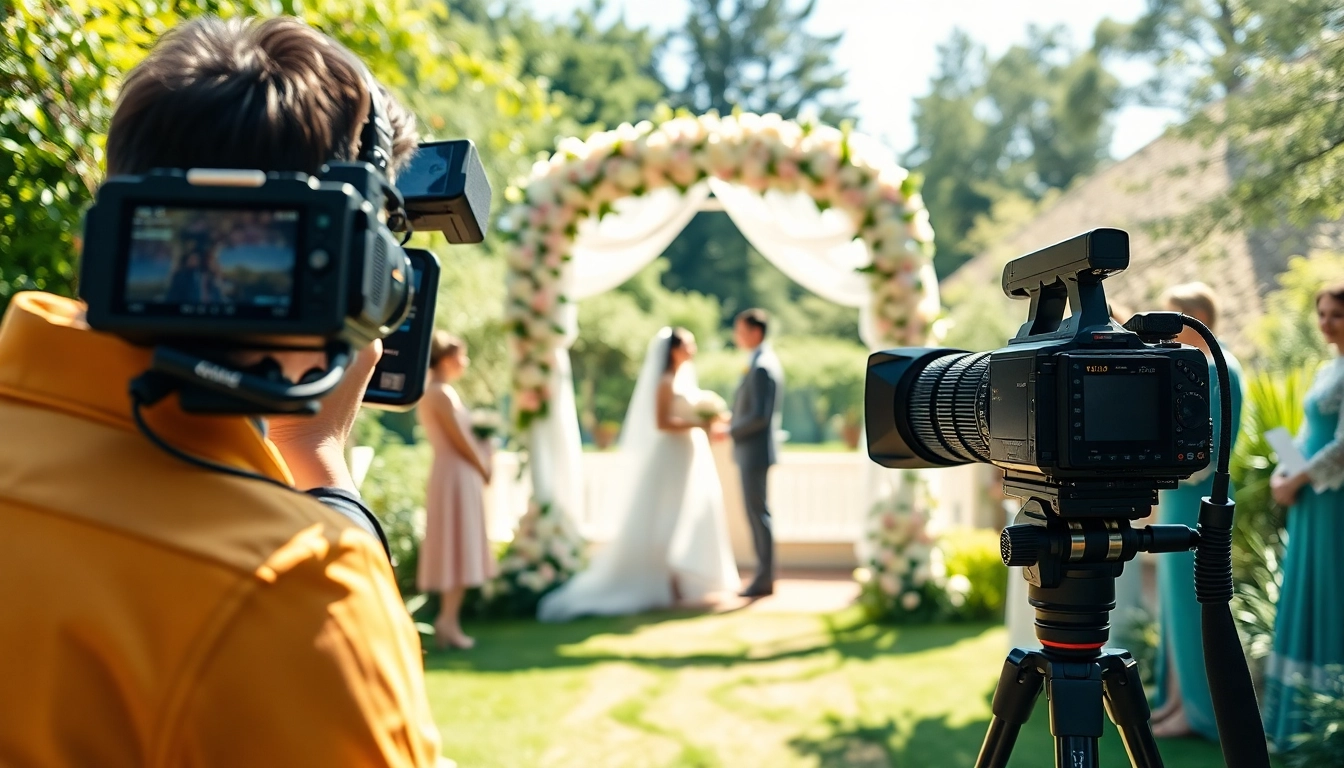
- Event Videographers: Specializing in capturing live events such as weddings, reunions, corporate functions, and concerts. They excel in fast-paced environments and are adept at catching candid moments.
- Commercial Videographers: Focusing on creating promotional content for businesses, these professionals often produce advertisements, product videos, and corporate training materials.
- Documentary Videographers: Engaged in telling real-life stories, they conduct interviews and capture b-roll footage to create compelling narratives that inform and entertain.
- Real Estate Videographers: Focused on the property market, they create high-quality videos that showcase homes to prospective buyers, often using drone technology for aerial views.
By recognizing the type of videographer aligned with specific needs, clients can better select professionals who have the right expertise for their projects.
Importance of Videography in Events
The value of videography goes beyond just preserving memories. In events such as weddings or corporate gatherings, videography serves multiple purposes:
- Documentation: Capturing the essence of a moment, videography provides a lasting account of events that can be cherished for years to come.
- Marketing: In business contexts, videos can be powerful tools to market products or services, offering potential customers visual insights into what a company has to offer.
- Engagement: Videos can increase audience engagement on social media, serving as shareable content that helps build brand recognition and connection.
- Storytelling: Videography transforms raw moments into compelling stories that resonate with viewers on an emotional level.
For these reasons, investing in professional videography services can significantly enhance the impact of any event or marketing effort.
How to Choose the Right Videographer
Selecting the most suitable videographer for your event or project requires careful consideration of various factors. Below are important points to guide your decision:
Key Qualities to Look For
When evaluating potential videographers, it’s crucial to assess specific qualities that indicate their ability to deliver high-quality work. Look for:
- Experience: Consider how long they have been in the industry and the breadth of their experience across different types of projects.
- Portfolio: Review their previous work to determine if their style aligns with your vision. A well-rounded portfolio showcases versatility and creativity.
- Technical Skills: Ensure that they possess proficiency in capturing high-quality footage and effective editing techniques.
- Communication: Strong communicational abilities are essential for understanding your needs and clearly conveying ideas.
- Professionalism: Assess how promptly they respond to inquiries and their overall demeanor during initial interactions.
Evaluating Portfolios and Style
No two videographers are alike; hence, their stylistic approach can be vastly different. While reviewing portfolios, consider the following elements:
- Visual Style: Does the videographer have a distinctive visual style that resonates with your aesthetic? Are the colors, shots, and editing techniques appealing to you?
- Quality of Production: Look for smooth transitions, sharp images, and well-balanced audio. High-quality production is non-negotiable for professional results.
- Storytelling Ability: Does the portfolio showcase an ability to create compelling narratives? Look for videos that capture important moments while maintaining flow and engagement.
Take as much time as needed to review their work and ask for feedback from past clients, if possible. This diligence will guide you in making the right choice.
Considering Budget and Packages
Budgeting for videography can be challenging, but it’s essential to have a clear understanding of what to expect financially. Here are some insights:
- Understanding Costs: Be aware that costs can vary based on the type of service requested. Factors influencing pricing include the videographer’s experience, the complexity of the shoot, the duration of the event, and post-production services required.
- Reviewing Packages: Most videographers offer different packages that bundle specific services. Compare packages to see which offers the most value for your needs.
- Inquire About Extra Costs: Ensure you discuss any hidden fees that could arise, such as travel expenses, additional editing, or rush fees.
- Payment Plan Options: Ask if they provide flexibility in payment terms to help manage your budget more effectively.
By addressing these financial considerations upfront, you can avert any unpleasant surprises and choose a videographer that fits your budget.
Preparing for a Successful Videography Experience
Once you have chosen your videographer, adequate preparation is paramount to ensure a smooth and successful experience. Here are essential steps to take:
Communicating Your Vision
Open lines of communication are crucial. Take the time to articulate your vision clearly to the videographer. Here are ways to effectively communicate:
- Define Objectives: What do you want to achieve through this video? Understanding your purpose will guide the creative process.
- Share Inspirational Examples: Show examples of videos that inspire you, whether they belong to a competitor or come from another field entirely.
- Discuss Key Moments: Identify which moments are particularly important to capture, especially in events like weddings or milestone celebrations.
Timeline and Shot List Discussion
Creating a well-structured timeline can streamline the videography process. Collaborate with your videographer to establish a timeline, covering:
- Event Schedule: Share the schedule of the event, including key moments and transitions.
- Shot List: Holistically discuss a shot list to pinpoint priority shots that should be captured throughout the day.
- Contingency Plans: Discuss backup plans for unforeseen circumstances, such as bad weather or venue changes.
Rehearsal and Venue Considerations
If possible, incorporate your videographer into the rehearsal process. This provides them with insight into the flow of the event and allows them to identify vantage points for optimal shots. Also consider the following:
- Venue Layout: Familiarize your videographer with the venue layout to identify the best locations and angles for shooting.
- Lighting Conditions: Discuss the lighting conditions at the venue. Good lighting is key to good video quality, and adjustments may be needed.
- Sound Considerations: Consider the sound environment, whether it’s an indoor or outdoor event, and inform the videographer of potential problems they might encounter.
Capturing Essential Moments
The day of the event is the most crucial, and a skilled videographer should be adept at capturing moments as they unfold. Here are best practices for ensuring everything goes smoothly:
Best Practices for Event Filming
To maximize effectiveness, videographers should employ various techniques during shooting:
- Utilize Multiple Angles: Capture significant events from multiple perspectives to provide comprehensive coverage.
- Stay Unobtrusive: While capturing key moments, the videographer should minimize disruption to the flow of the event.
- Be Prepared for Candid Shots: Many beautiful moments occur spontaneously; thus, being ready at all times is paramount.
On-the-Day Coordination
Communication and coordination on the day of the event can help in managing expectations and execution. The videographer should:
- Coordinate with Other Vendors: Stay in contact with the wedding planner, photographer, and other vendors to ensure everyone is aligned and timing works smoothly.
- Monitor the Flow of the Event: Adjust the shooting schedule in response to how the event unfolds, remaining flexible to any changes.
Post-Production Process and Deliverables
Post-production is where the magic happens in videography, transforming raw footage into a polished product. Key considerations include:
- Editing Style: Discuss with your videographer what editing style you envision, such as formal, documentary-style, or artistic.
- Timeline for Delivery: Understand the expected timeline for receiving the final product and any rough cuts prior to the final version.
- Formats: Specify what formats you need for your final videos (e.g., online sharing, DVDs, or downloads).
A clear understanding of the post-production process lays the groundwork for satisfactory results.
Costing and Budgeting for Videography Services
Budgeting for videography services necessitates a thoughtful approach. Here’s how to navigate the financial aspect effectively:
Understanding Pricing Models
Different videographers adopt varied pricing models. Familiarizing yourself with these will help you assess what fits into your budget:
- Hourly Rates: Some videographers charge per hour, which can be ideal for short-duration events.
- Flat Fees: Many offer an all-inclusive package covering pre-production, filming, and post-production for a flat rate.
- Per Project: Certain videographers may provide pricing based on the project’s scope, including materials, time involved, and complexity.
Hidden Costs to Consider
When budgeting, it’s important to account for potential hidden costs that might emerge. These can include:
- Travel Fees: If your event requires travel, this could significantly increase costs.
- Additional Editing: Some videographers charge extra for revisions or requests outside of the original agreement.
- Supplementary Equipment: Usage of specialized equipment, such as drones or steadicams, can also lead to extra charges.
Tips for Staying Within Your Budget
Staying financially savvy while hiring a videographer involves strategic planning:
- Research Options: Compare different videographers’ prices and services to find the best match for your budget.
- Negotiate: If possible, negotiate packages that better fit your financial constraints without compromising quality.
- Define Priorities: Clearly outline what you want, so you don’t overspend on unnecessary features or upgrades.
By being proactive about budgeting and planning, you can ensure that you secure high-quality videography services without exceeding your financial limits.