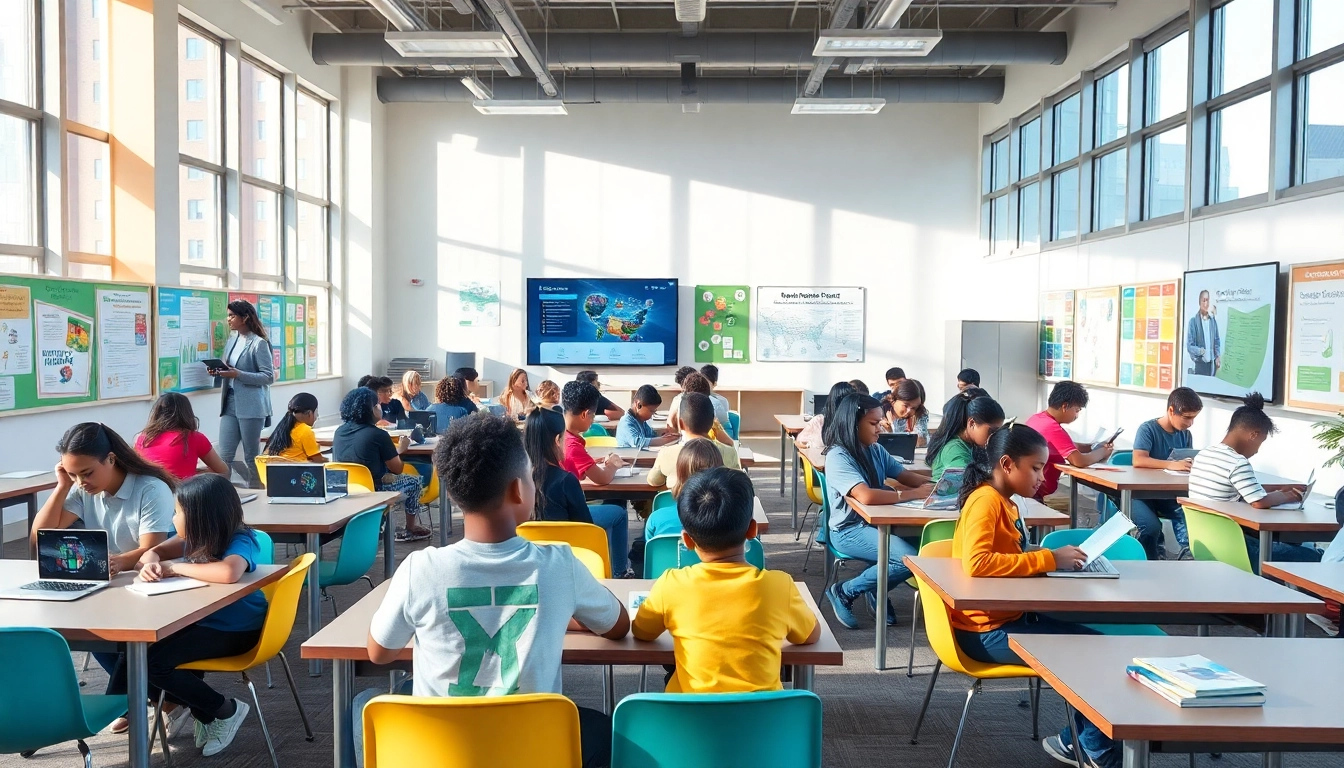
Understanding Education Reform
Education reform has consistently been a crucial topic of discussion as societies strive to create equitable, innovative, and effective education systems. In recent years, the call for reform has been stronger than ever, emphasizing the need for systemic change that promotes freedom, equality, and justice across diverse populations. Without doubt, education plays a pivotal role in shaping our future, and the strategies we employ to reform it deeply affect our society's trajectory.
The Importance of Education Equity
Education equity ensures that all students have access to the resources they need for a quality education, regardless of their background. This approach recognizes the disparities that exist in the educational landscape, driven by factors such as socioeconomic status, race, and geographic location. Addressing these inequities is essential for fostering a learning environment where every student can thrive. Various frameworks suggest that equitable education does not simply provide the same resources for all but tailors support to meet individual needs, thus leveling the playing field.
Key Challenges in Modern Education
Despite advancements, the education system faces numerous challenges. These include inadequate funding, outdated curricula, and a lack of teacher support. Additionally, the COVID-19 pandemic highlighted significant gaps in accessibility to technology and digital learning resources, further exacerbating existing inequalities. Addressing these challenges requires a multifaceted approach that prioritizes long-term investment in education, teacher training, and innovative teaching methods.
Frameworks for Effective Education Reform
To implement effective education reform, stakeholders must adopt comprehensive frameworks that encapsulate diverse perspectives. The Coalition for Teaching Quality, for instance, advocates for integrating teacher voice and community input into the reform process. By prioritizing collaboration and transparency, these frameworks foster a sense of ownership among educators, administrators, and families, creating a conducive environment for meaningful change.
Innovative Approaches to Teaching
In the quest for modernization, innovative teaching approaches have emerged as vital strategies to enhance student engagement and learning outcomes. By embracing new methods, educators can promote deeper learning and critical thinking among their students.
Integrating Technology in Education
Technology integration into the classroom has transformed traditional teaching methodologies. With tools such as interactive platforms and learning management systems, educators can create more engaging and personalized learning experiences. However, the successful implementation of technology requires adequate training for teachers and accessible resources for students.
Collaborative Learning Techniques
Collaborative learning fosters teamwork and communication skills among students. Techniques such as group projects, peer teaching, and study circles help students learn from one another and develop essential soft skills. Schools must cultivate a culture of collaboration to maximize these benefits.
Real-World Applications of Innovative Pedagogy
Innovative pedagogy is most effective when it connects classroom learning to real-world experiences. For example, project-based learning allows students to tackle real-life problems, thereby enhancing their understanding and retention of knowledge. Community partnerships and internships can further bridge the gap between theoretical concepts and practical applications.
Measuring Success in Education
As education reform progresses, it is crucial to implement metrics that accurately measure success and guide future initiatives. This requires a balanced approach that encompasses quantitative and qualitative indicators.
Key Performance Indicators for Education Systems
Key performance indicators (KPIs) can provide insights into the effectiveness of educational programs. Metrics such as graduation rates, standardized test scores, and student engagement levels offer valuable data for assessing performance. However, it is essential to consider additional factors, such as students' social-emotional well-being and participation in extracurricular activities, to gain a holistic view of success.
Gathering Feedback from Stakeholders
Feedback from students, parents, and educators is paramount for understanding how educational reforms impact the community. Surveys, focus groups, and open forums create opportunities for constructive dialogue, allowing stakeholders to voice concerns and suggest improvements.
Evaluating Long-Term Outcomes
While immediate metrics are important, evaluating long-term outcomes is critical for sustainable education reform. Tracking alumni success, college enrollment rates, and workforce readiness can provide invaluable insights into the effectiveness of educational strategies over time.
Future Trends in Education
As we look to the future, emerging trends will shape education in unprecedented ways. It is crucial for educators, policymakers, and stakeholders to stay informed about these developments to ensure that education evolves to meet the needs of the next generation.
The Role of Artificial Intelligence
Artificial intelligence (AI) is poised to revolutionize the education sector by providing personalized learning experiences and streamlining administrative tasks. AI can analyze data on student performance to tailor content and support, enabling teachers to focus on high-impact instructional strategies.
Focus on Personalized Learning Experiences
Personalized learning, which adapts to the individual pace and style of each learner, has gained traction in recent years. This approach empowers students to take ownership of their education, fostering motivation and enhancing learning outcomes. Schools must invest in professional development and resources to facilitate personalized learning effectively.
Predictions for 2026 and Beyond
Looking ahead, education will likely become more interconnected through global collaboration and online platforms. Innovations in virtual and augmented reality may enhance experiential learning opportunities. Additionally, as the world becomes increasingly digital, teaching digital citizenship will be essential in preparing students for participation in an interconnected society.
Joining the Movement for Educational Change
For meaningful education reform, active participation from all stakeholders is crucial. By joining the movement for educational change, individuals can drive collective action towards a more equitable and innovative system.
How to Advocate for Education Reform
Advocacy plays a pivotal role in education reform. Individuals can educate themselves on current issues, leverage social media to raise awareness, and participate in local school boards or community meetings. Building coalitions with other advocates can amplify their efforts and create a larger impact.
Building Community Partnerships
Collaboration between educational institutions, businesses, and community organizations can foster resources and support that benefit students. By working together, stakeholders can develop mentorship programs, internship opportunities, and enrichment activities that enhance learning.
Resources for Educators and Advocates
Numerous resources exist for educators and advocates seeking to drive change. Organizations such as the National Education Association (NEA) and the American Federation of Teachers (AFT) provide tools, training, and support for those advocating for educational equity and innovation. Furthermore, online platforms can offer webinars, articles, and networking opportunities to help stakeholders stay informed and connected.